Choosing the right materials for your residential built-ins is one of the most important decisions you will make during a remodeling project. The wrong material can warp, sag, or look dated within a few years, while the right choice delivers decades of beauty and function. Whether you are planning a floor-to-ceiling bookcase, an entertainment center, or custom closet organizers in your Tampa Bay home, understanding the strengths and limitations of each material will help you invest wisely. Below, Remodel Depot breaks down every option so you can make an informed decision.
What Are Built-Ins?
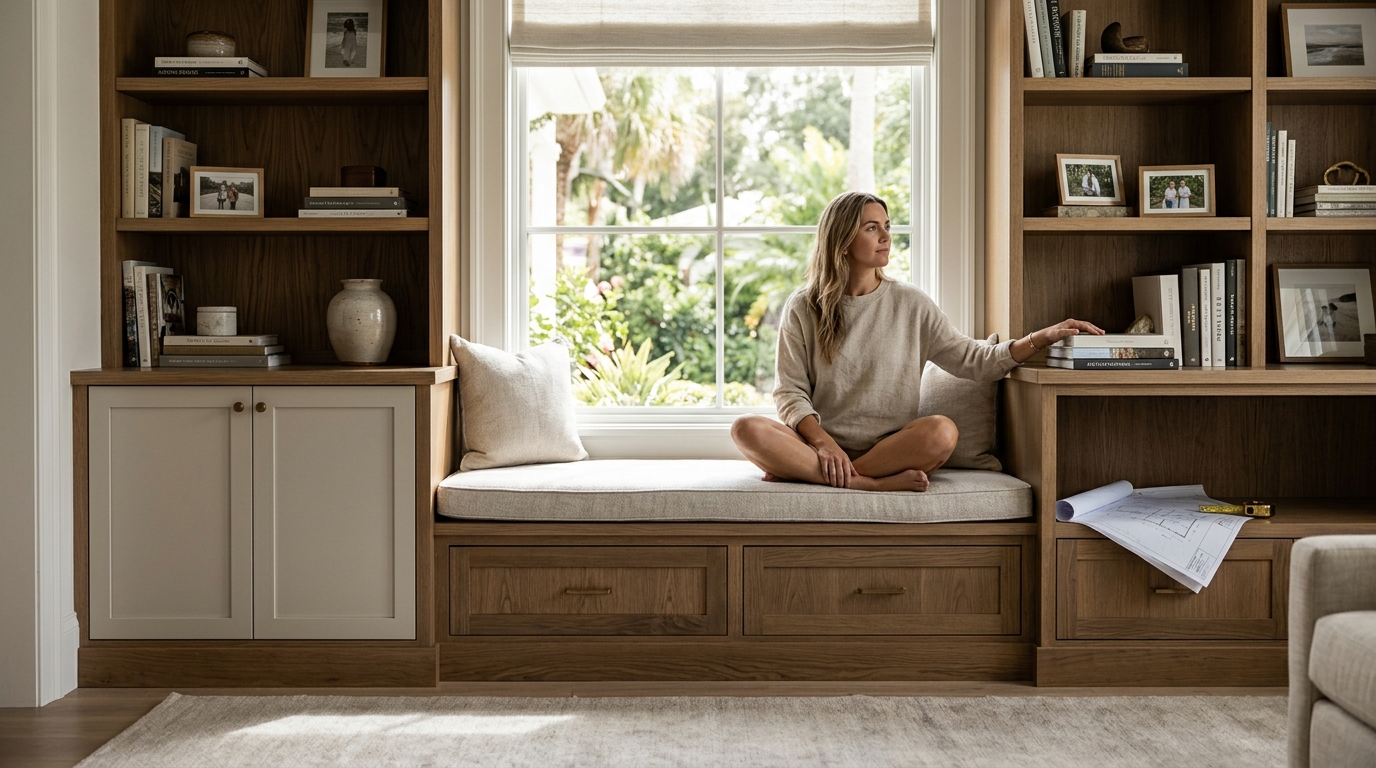
A built-in is a piece of furniture or cabinetry that is permanently installed into the structure of a room, such as bookshelves flanking a fireplace, a window seat with storage, or a full-wall entertainment unit. Unlike freestanding furniture, built-ins are custom-fitted to the exact dimensions of your space, creating a seamless, architectural look.
Because they are permanent, material selection matters more than it does for a piece of furniture you might replace in a few years. Your licensed general contractor should help you balance aesthetics, durability, and budget during the planning phase.
Hardwood Plywood: The Professional Standard
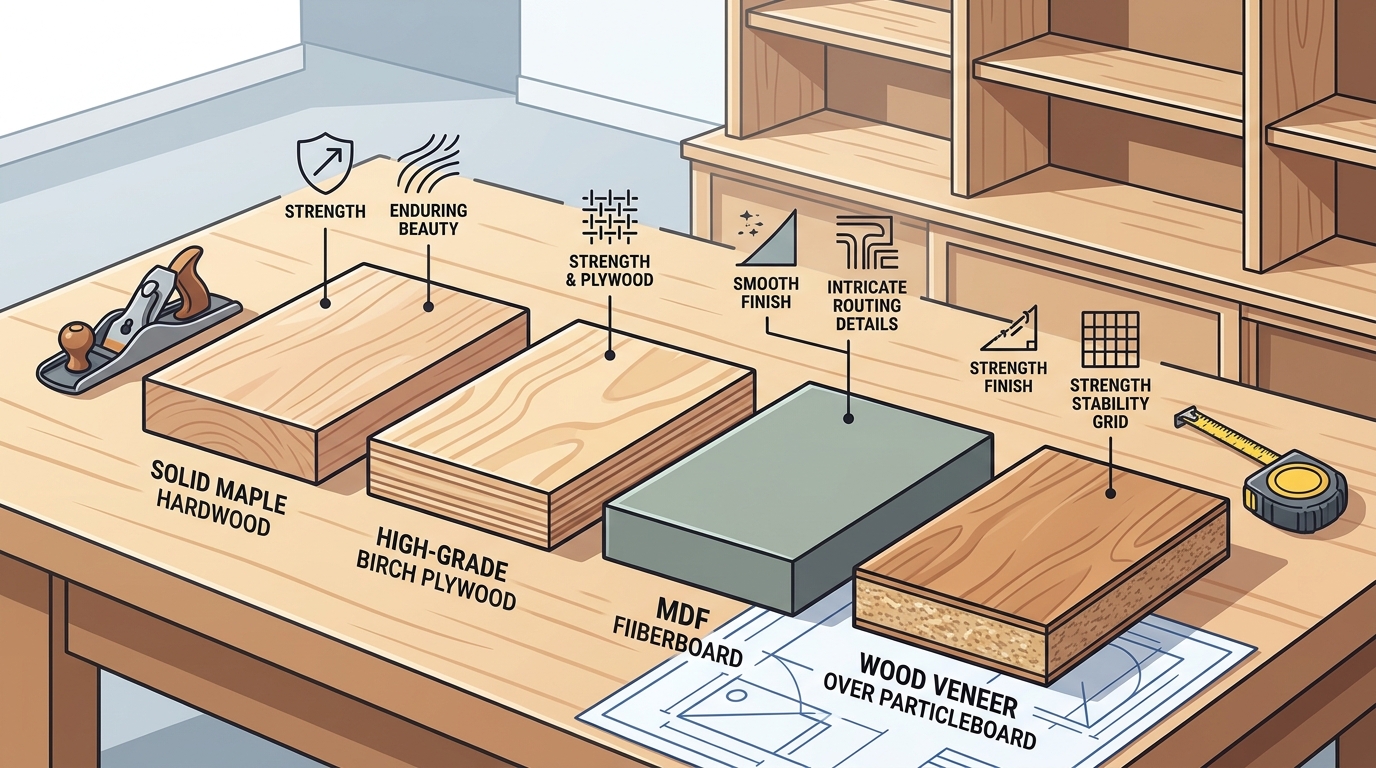
Hardwood plywood is an engineered wood product made from thin sheets of wood veneer bonded together under heat and pressure. It is the material most professional cabinet makers reach for when building residential built-ins.
Why Contractors Prefer It
Plywood's cross-grain construction gives it excellent dimensional stability, meaning it resists warping, expanding, and contracting when exposed to temperature or humidity changes. It also holds screws securely and can support heavy loads on shelves without sagging over time. Popular species for built-in face veneers include birch, maple, and oak, each offering a distinct grain character.
Best Applications
Hardwood plywood is ideal for cabinet boxes, load-bearing shelves, and any built-in located in a room with variable humidity, such as a kitchen remodel or bathroom renovation. Cabinet-grade plywood with an A-grade veneer face provides a smooth, defect-free surface suitable for staining or clear-coating.
MDF: Budget-Friendly and Smooth
Medium-density fiberboard (MDF) is an engineered panel made by combining hardwood and softwood fibers with resin and wax, then pressing them under high heat. Its perfectly uniform surface has no grain, making it a favorite for painted built-ins.
Strengths
MDF is significantly cheaper than plywood or solid hardwood, making it attractive for budget-conscious projects. Its smooth surface takes paint exceptionally well and can be routed into decorative profiles without splintering or cracking along the edges.
Limitations
MDF is prone to moisture damage and can swell if exposed to water. It is also heavier than plywood and does not hold screws as reliably, which means shelves under heavy loads may need reinforcement. For these reasons, MDF works best in dry interior spaces where the built-in will hold lighter items.
Solid Hardwood: Timeless Luxury
Solid hardwood is natural lumber milled directly from a single species of tree, such as oak, cherry, walnut, or maple. It is the premium choice for built-ins where visible wood grain and heirloom quality are priorities.
The main trade-off is cost. Solid hardwood is the most expensive material on this list, and it can expand and contract with seasonal humidity changes more than engineered alternatives. That said, nothing matches its depth of character when finished with a stain or natural oil. Poplar is a more affordable hardwood that paints beautifully and holds screws well, making it an excellent choice for painted face frames on built-in units.
Melamine and MFC: Low-Maintenance Options
Melamine-faced chipboard (MFC) is a particleboard core laminated with a tough melamine coating. This coating provides a pre-finished, scratch-resistant surface that is easy to clean and comes in a wide variety of colors and textures.
MFC is a practical choice for closet systems, laundry room built-ins, and utility storage where durability and low maintenance matter more than a natural wood look. Its melamine surface offers better moisture resistance than raw MDF, though the chipboard core is not as structurally strong as plywood. Edge banding is used to cover exposed edges for a cleaner appearance.
Material Comparison Table
| Material | Cost (per linear ft) | Moisture Resistance | Best Finish | Shelf Load Capacity | Best Use Case |
|---|---|---|---|---|---|
| Hardwood Plywood | $60 - $225 | Good | Stain or paint | High | Kitchen and bathroom built-ins |
| MDF | $40 - $150 | Poor | Paint | Low to moderate | Painted bookshelves, entertainment centers |
| Solid Hardwood | $150+ | Moderate | Stain or oil | High | Heirloom-quality display units |
| MFC / Melamine | $35 - $120 | Moderate | Pre-finished | Moderate | Closets, laundry rooms, utility storage |
Cost estimates based on built-in bookcase projects as reported by Angi.
Special Considerations for Florida Homes
Tampa Bay's subtropical climate introduces elevated humidity year-round, which directly affects material performance. MDF is especially vulnerable to moisture damage and should be fully sealed or avoided in areas near bathrooms, kitchens, or exterior walls without proper climate control.
Humidity and Material Choice
Hardwood plywood and marine-grade plywood are the safest choices for Florida residences because of their superior moisture resistance. If you prefer a painted look, using plywood boxes with MDF door and drawer fronts is a common professional compromise that balances cost, appearance, and durability.
Working With a Local Contractor
A reliable remodeling contractor in Tampa Bay will factor local climate conditions into every material recommendation. Remodel Depot, a Florida Licensed General Contractor (#CGC1504088), specializes in custom cabinetry and built-ins engineered for the demands of our Gulf Coast environment.
Key Takeaways
- Hardwood plywood is the best all-around material for residential built-ins, offering strength, moisture resistance, and attractive grain.
- MDF is the most budget-friendly option and ideal for painted surfaces in dry rooms.
- Solid hardwood delivers unmatched beauty but comes with a higher price tag and requires careful humidity management.
- MFC and melamine panels are practical, low-maintenance choices for closets and utility spaces.
- Florida homeowners should prioritize moisture-resistant materials due to the region's high humidity.
- Combining materials (plywood boxes with MDF fronts) is a proven strategy for balancing cost and performance.
- Always work with a licensed contractor who understands local climate impacts on cabinetry materials.
Frequently Asked Questions
What is the most durable material for built-in shelves?
Hardwood plywood is widely regarded as the most durable option for built-in shelving. Its cross-grain construction resists warping and sagging under heavy loads, making it ideal for bookshelves and display units.
Is MDF good enough for built-in cabinets?
MDF works well for cabinet doors and drawer fronts that will be painted, especially in dry interior rooms. However, it is not recommended for cabinet boxes in moisture-prone areas because it can swell when exposed to water.
How much do built-in bookshelves cost per linear foot?
Costs vary by material. MDF built-in bookcases typically run $40 to $150 per linear foot, while plywood versions range from $60 to $225 per linear foot, according to industry estimates from Angi.
Can I use MDF for built-ins in a Florida bathroom?
It is not recommended. Florida's high humidity, combined with direct moisture exposure in bathrooms, makes MDF a risky choice. Marine-grade plywood or sealed hardwood plywood are better options for bathroom built-ins.
What is the best plywood species for built-ins?
Birch and maple are popular choices. Birch provides a smooth, even grain that takes finishes well, while maple is strong and works well in modern design styles. Oak is a classic alternative known for its strength and visible grain character.
Should I use solid wood or plywood for my built-ins?
Plywood is more dimensionally stable, more economical, and less prone to seasonal movement than solid wood. Solid hardwood is best reserved for face frames, trim, and accent details where its natural beauty can be fully appreciated.
What does cabinet-grade plywood mean?
Cabinet-grade plywood is specifically designed for furniture and cabinetry. It features a smooth, high-quality hardwood veneer face (graded A through D, with A being defect-free) and a consistent core that ensures durability and clean finishing.
How do I choose between painted and stained built-ins?
If you want a painted finish, MDF or paint-grade plywood will give you the smoothest result. For a natural or stained look, hardwood plywood with a quality face veneer (birch, maple, or oak) is the best choice. A design consultation can help you decide which style best fits your space.
Ready to Build Custom Built-Ins for Your Home?
Remodel Depot designs and builds custom built-ins tailored to your style, space, and budget. As a licensed Florida General Contractor serving Tampa Bay, we combine traditional woodworking skills with modern techniques to deliver results that last. Call 813-549-CITY or request a free estimate online to start planning your project today.