
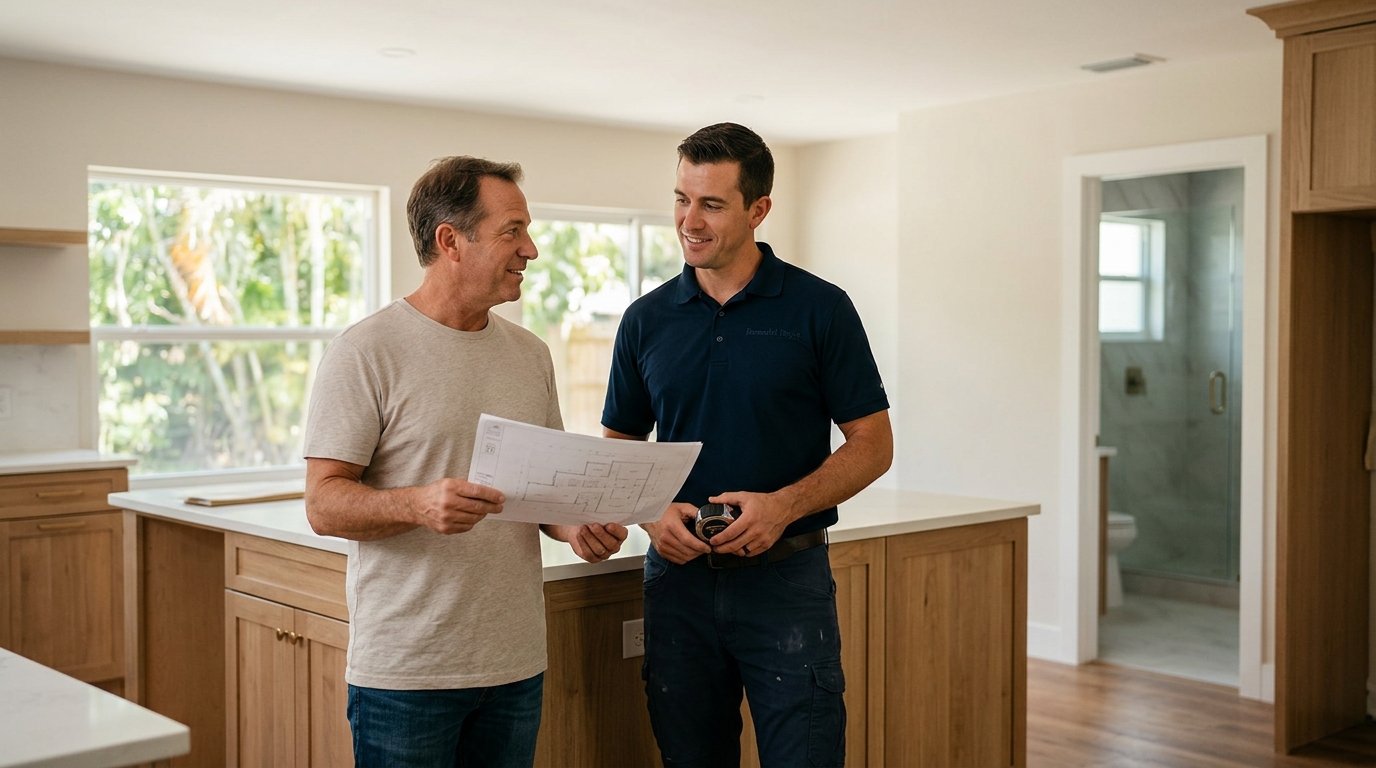
Hiring a remodeling contractor is one of the biggest decisions a Tampa Bay homeowner can make. With thousands of contractors operating across Hillsborough, Pinellas, and Pasco counties, separating skilled professionals from unlicensed operators takes real diligence. A reliable remodeling contractor is a licensed professional who carries proper insurance, follows local building codes, and delivers quality workmanship on time and on budget. This guide walks you through every step, from verifying a Florida contractor license to signing a solid contract, so your next renovation project starts on the right foot.
Why Florida Licensing Matters
Florida has one of the most rigorous contractor licensing processes in the country. A certified contractor in Florida has passed a state licensing exam, met experience requirements, and carries required insurance and bonds to work legally statewide, according to the Florida DBPR. This certification protects homeowners from substandard work and legal liability.
Working without a licensed contractor in Florida can lead to fines, failed inspections, and denied insurance claims. Unlike some states where licensing is easy to obtain, Florida requires contractors to demonstrate financial stability, pass a three-part exam covering business, finance, and project management, and maintain ongoing insurance coverage.
Certified vs. Registered Licenses
A certified license is valid statewide, while a registered license is limited to specific cities or counties. For Tampa Bay projects, a certified general contractor (CGC) offers the broadest authority and can handle structural work across residential and commercial buildings. Remodel Depot, for example, holds Florida General Contractor License #CGC1504088, enabling work across the entire Tampa Bay region.
How to Verify Contractor Credentials
Verifying a contractor takes only a few minutes and can save thousands of dollars. Visit the Florida DBPR website and search by contractor name or license number. Look for an active license status and check for complaints or disciplinary actions.
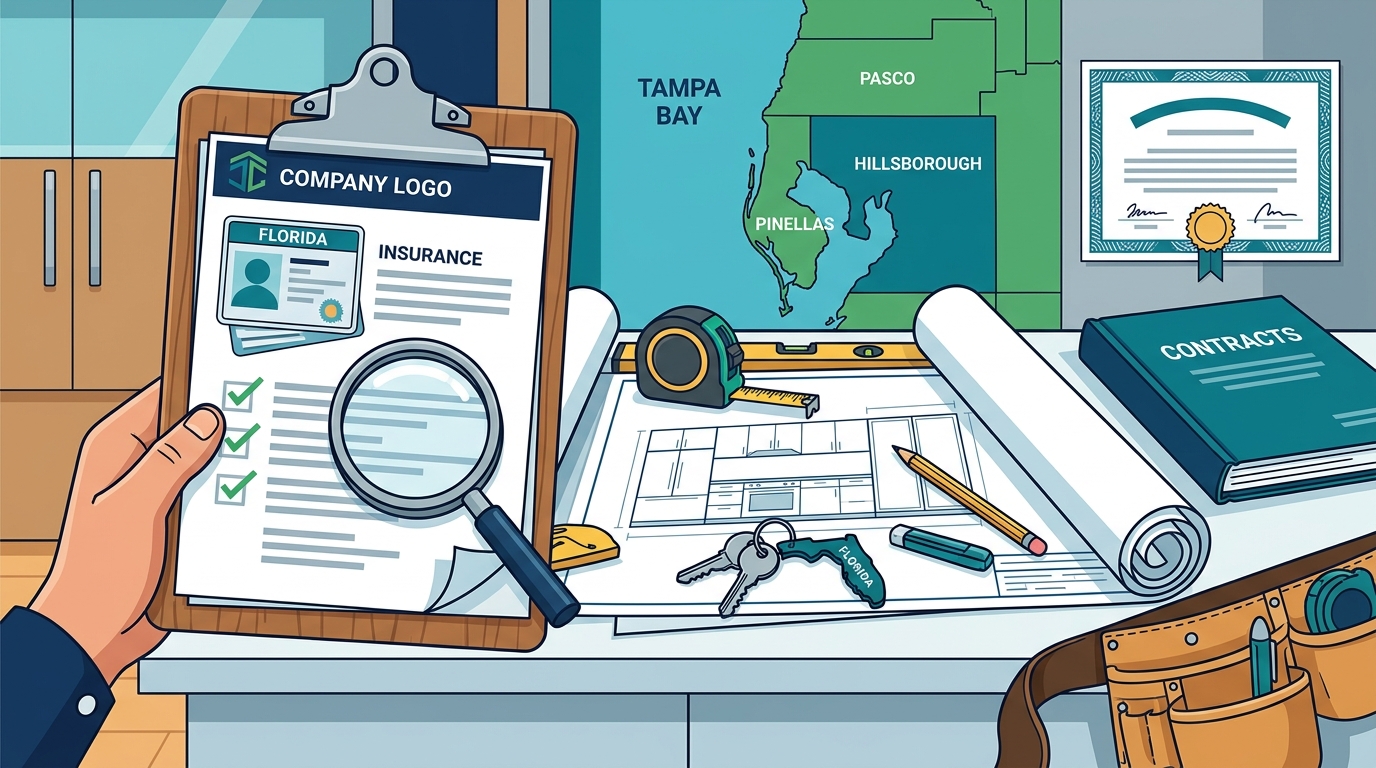
Insurance You Should Confirm
Always ask for proof of general liability insurance and workers' compensation coverage. A licensed contractor will have a separate business account and will happily provide documentation. If a contractor cannot show proof of insurance, treat it as a disqualifying factor.
Permits and Inspections
A legitimate contractor pulls permits in their own name. If you are asked to obtain a permit as the owner-builder, that is a warning sign the contractor may not be properly licensed. Almost all remodeling projects in Florida require permits and inspections, so never accept a claim that your job is exempt.
Evaluate Experience and Specialization
Not every contractor excels at every type of work. A general contractor is a professional authorized to manage and execute construction projects, but specialization matters. If you need custom cabinetry or kitchen remodeling, look for a contractor with a proven portfolio in those areas.
Ask to see before-and-after photos of completed projects similar to yours. A contractor who specializes in bathroom remodeling will understand plumbing rough-in details, waterproofing systems, and tile layout in ways a generalist may not.
| Criteria | What to Look For | Why It Matters |
|---|---|---|
| License Type | Certified General Contractor (CGC) | Valid statewide in Florida |
| Insurance | General liability + workers' comp | Protects you from accident costs |
| Experience | 5+ years, portfolio of similar projects | Reduces risk of errors |
| References | 3+ recent client contacts | Validates quality and reliability |
| Written Contract | Scope, timeline, payment milestones | Prevents disputes |
| Local Knowledge | Familiar with Tampa Bay codes | Avoids permit and inspection issues |
Check Reviews and References
Online reviews across Google, Yelp, and social media reveal consistent patterns about a contractor's reliability. Look beyond star ratings and read how the contractor handled problems, delays, or unexpected costs. A strong local reputation is earned through a proven track record over many projects.
Go a step further and request references from recent projects. Call past clients and ask about communication, timeline accuracy, and final quality. Contractors with strong reputations, like the team at Remodel Depot, welcome this kind of scrutiny because it reinforces trust.
Compare Estimates the Right Way
Getting at least two to three estimates is a smart rule of thumb before hiring any remodeling contractor. Each estimate should cover the same scope of work, realistic timelines, and fair payment schedules tied to project milestones.
A remodeling estimate is a detailed written document outlining projected costs for labor, materials, permits, and contingencies. Be wary of estimates that seem dramatically lower than competitors; this often signals corners will be cut or change orders will inflate the final price. Make sure every estimate is in writing with line-item detail.
Red Flags to Watch For
Protect your investment by watching for these warning signs during the hiring process:
- No written contract: If a contractor is unwilling to put terms in writing, walk away.
- Large upfront payments: Payments should be tied to completed milestones, not demanded before work begins.
- Cash-only requests: Legitimate contractors accept checks or digital payments to a business account.
- Weekend-only availability: This often indicates someone moonlighting without a license.
- Pressure to skip permits: Any suggestion that your project does not need a permit should raise immediate concern.
Hiring local contractors who understand Tampa Bay's specific building codes and weather conditions gives you a serious advantage. Local professionals have established relationships with suppliers and subcontractors, which translates to faster timelines and better pricing for projects like custom built-ins or whole-home renovations.
Key Takeaways
- Always verify a Florida contractor license through the DBPR website before signing anything.
- Confirm general liability insurance and workers' compensation coverage with documentation.
- Get at least 2-3 written estimates that detail scope, timeline, and payment milestones.
- Check online reviews and call recent references to validate a contractor's track record.
- Hire a specialist when your project requires specific skills like custom cabinetry or kitchen design.
- Never hire a contractor who refuses to pull permits or insists on cash-only payment.
- Choose a local Tampa Bay contractor familiar with regional codes and weather challenges.
Frequently Asked Questions
How do I check if a contractor is licensed in Florida?
You can verify any contractor's license through the Florida DBPR website by searching their name or license number. Look for an active status and zero disciplinary actions.
What should be included in a remodeling contract?
A solid remodeling contract should include the full scope of work, a detailed timeline, a payment schedule tied to milestones, warranty information, and provisions for handling unexpected costs.
How many estimates should I get before hiring a contractor?
Getting at least two to three estimates helps you understand fair market pricing and compare how different contractors approach your specific project.
What is the difference between a certified and registered contractor in Florida?
A certified contractor can work anywhere in Florida, while a registered contractor is limited to specific local jurisdictions. For Tampa Bay projects, a certified general contractor offers the most flexibility.
Why should I hire a local Tampa Bay contractor?
Local contractors understand regional building codes, Florida weather conditions, and have established relationships with area suppliers and subcontractors, resulting in smoother timelines and competitive pricing.
What are the biggest red flags when hiring a remodeling contractor?
Major red flags include no written contract, demands for large cash deposits upfront, refusal to show a license or insurance, pressure to skip permits, and availability only on weekends or after hours.
How long does a typical kitchen remodel take in Tampa Bay?
A typical kitchen remodel in Tampa Bay takes 6 to 12 weeks depending on scope and complexity. Factors like custom cabinetry, structural changes, and permit timelines can extend the schedule.
Ready to Start Your Tampa Bay Remodel?
Finding a reliable contractor does not have to be stressful. Remodel Depot is a licensed Florida General Contractor (#CGC1504088) specializing in custom cabinetry, built-ins, and full-service remodeling across Tampa Bay. Request your free estimate today and experience the difference that precision craftsmanship and honest communication make.