
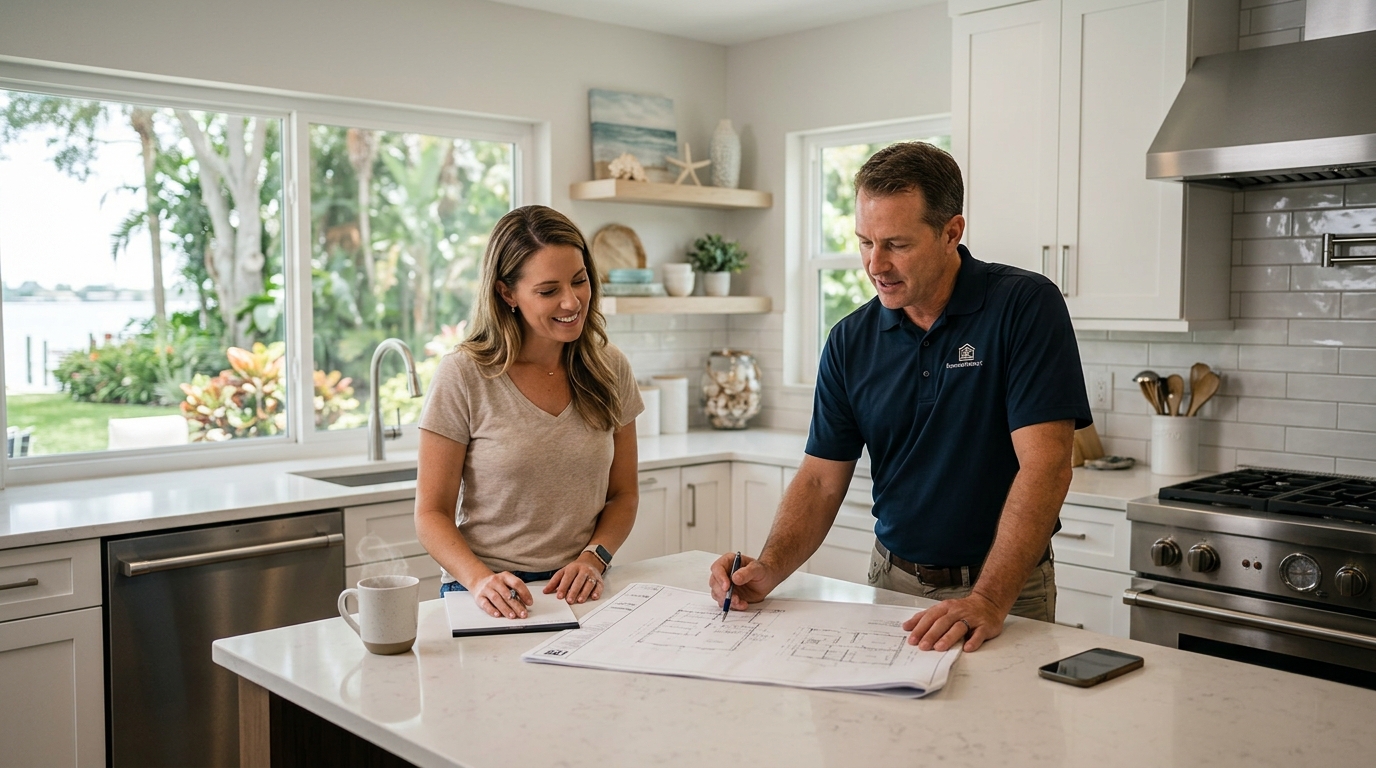
Finding a reliable remodeling contractor in Tampa Bay requires careful verification of credentials, project history, and local market knowledge. According to recent industry reports, over sixty percent of homeowners struggle to vet contractors before signing agreements. This data shows that unverified hires frequently lead to budget overruns and delayed project timelines. You must prioritize licensed professionals who maintain active Florida state registrations and carry comprehensive liability insurance. Local experts understand regional building codes, humidity-resistant material requirements, and permit processing workflows. Selecting the right partner ensures your renovation delivers lasting value without unnecessary administrative friction.
Verify State Credentials and Insurance
Understanding Florida Licensing Requirements
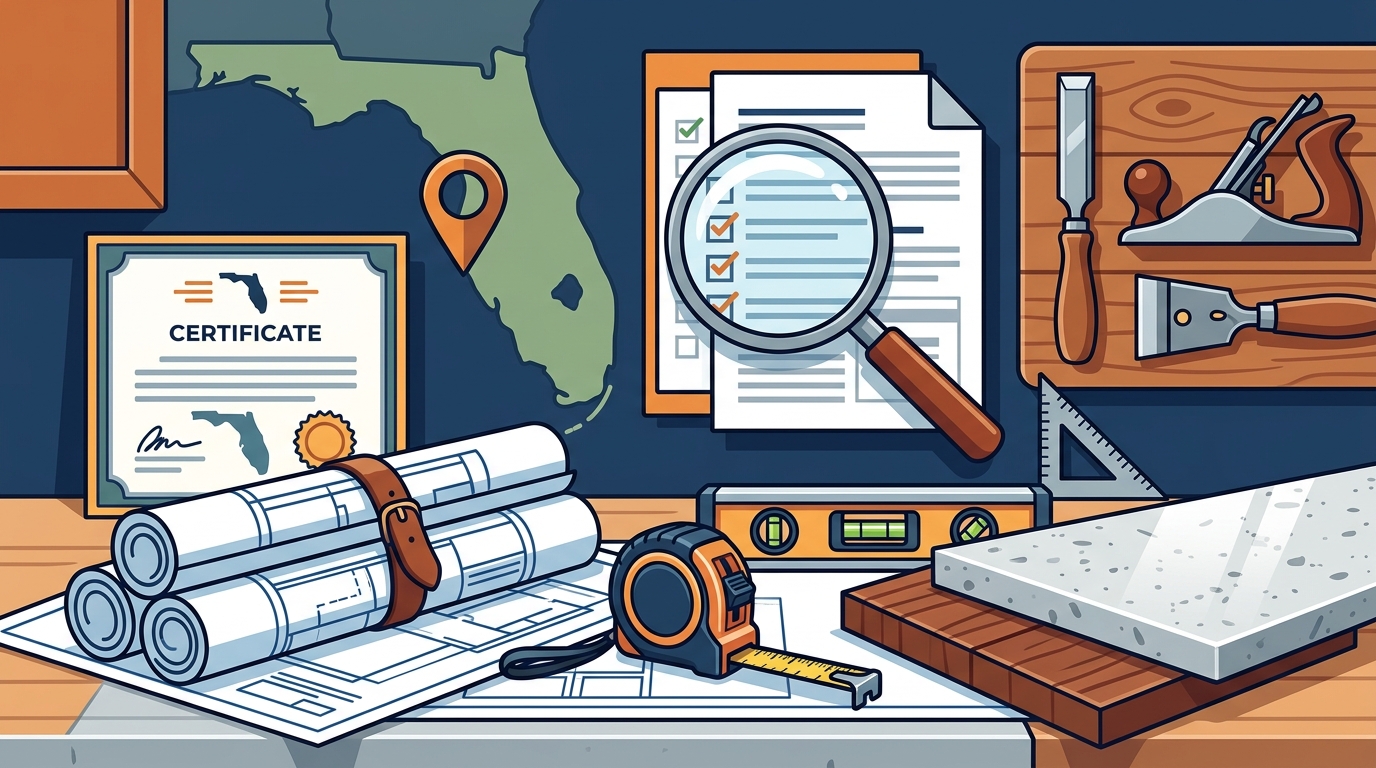
A Florida General Contractor is a state-certified professional authorized to oversee residential and commercial construction projects. You must verify the license number through the Florida Department of Business and Professional Regulation database. Active licenses require continuing education, background checks, and financial bonding. This verification process protects your property from unqualified labor and uninsured accidents. Always request a copy of the current license certificate before scheduling initial consultations. Checking official state registries confirms active status, disciplinary history, and insurance coverage.
Evaluate Custom Project Portfolios
Reviewing Craftsmanship and Material Selection
Custom cabinetry is precision-fabricated furniture installed to match exact room dimensions and architectural specifications. Reviewing a contractor’s recent gallery reveals their ability to handle complex joinery, finish matching, and spatial optimization. Look for projects that demonstrate floor-to-ceiling built-ins, integrated lighting, and seamless hardware integration. A strong portfolio indicates consistent quality control and experienced project managers. Request detailed project breakdowns to understand material sourcing and installation timelines. You should examine completed residential kitchens, home office built-ins, and commercial retail spaces to verify versatility.
Assess Communication and Project Management
Tracking Milestones and Budget Transparency
Project management is the systematic coordination of labor, materials, and scheduling to deliver renovations on time. Reliable contractors provide detailed written estimates, weekly progress updates, and clear change order procedures. You should receive a defined project timeline with milestone checkpoints and contingency buffers. Transparent communication prevents scope creep and unexpected financial surprises. Establish a single point of contact to streamline decision-making and material approvals. Contractors who maintain clear communication channels typically deliver projects within fifteen percent of the original budget estimate.
Compare Service Delivery Models
| Service Category | Typical Scope | Best Use Case | Provider Link |
|---|---|---|---|
| Custom Cabinetry | Kitchen, bathroom, and specialty storage units | High-traffic residential spaces | Explore Cabinet Services |
| Built-Ins and Shelving | Entertainment centers and floor-to-ceiling storage | Living rooms and home offices | View Built-In Projects |
| Feature Walls | Accent paneling and architectural detailing | Commercial lobbies and dining spaces | Discover Feature Wall Options |
| Commercial Remodeling | Office buildouts and retail renovations | Business expansion and rebranding | Review Commercial Solutions |
Selecting the appropriate service model directly impacts your renovation timeline and final aesthetic outcome. General contractors who specialize in custom work typically maintain tighter quality control over material sourcing and installation precision. You should match your project scope with a provider who demonstrates proven expertise in that specific category. Reviewing detailed service descriptions ensures you receive accurate pricing and realistic delivery windows.
Check Local References and Reviews
Validating Client Satisfaction and Repeat Business
Client satisfaction is the measurable outcome of project delivery, communication quality, and post-completion support. You should request at least three recent client references located within the same metropolitan region. Local references provide insight into how the contractor handles regional weather delays, permit inspections, and neighborhood logistics. Reading verified online reviews reveals consistent patterns in punctuality and cleanup standards. Prioritize contractors who maintain active community involvement and long-term operational history. Industry benchmarks indicate that companies operating for over five years demonstrate significantly higher client retention rates.
Key Takeaways
- Verify active Florida General Contractor license #CGC1504088 before signing any agreements.
- Request comprehensive liability insurance and workers compensation documentation during initial consultations.
- Review detailed project portfolios featuring custom cabinetry, built-ins, and commercial remodels.
- Confirm transparent pricing structures, written change order policies, and milestone scheduling.
- Contact the Tampa Bay office at 813-549-CITY to schedule a comprehensive project assessment.
- Visit the physical facility at 4613 N Grady Ave to inspect material samples and craftsmanship standards.
- Ensure all project phases comply with local building codes and municipal permit requirements.
Frequently Asked Questions
How do I verify a contractor’s Florida license status?
You can verify any contractor’s license status by visiting the Florida Department of Business and Professional Regulation website and searching the official license database. This free public tool confirms active status, disciplinary history, and insurance coverage.
What documents should I request before signing a contract?
You should request a detailed written estimate, proof of liability insurance, workers compensation certificates, and a signed project timeline. These documents establish legal protection and clarify financial responsibilities before work begins.
How long does a typical custom cabinetry project take?
A standard custom cabinetry project typically requires four to eight weeks for design, fabrication, and installation. Complex commercial buildouts or complete kitchen transformations may extend to twelve weeks depending on material availability and permit scheduling.
Do I need permits for home office built-ins?
Most structural modifications and electrical upgrades require municipal permits, while purely cosmetic shelving installations often do not. Your contractor should handle permit applications and coordinate required municipal inspections to ensure full code compliance.
What warranty coverage applies to custom woodworking?
Industry standard warranties typically cover structural integrity and finish durability for one to five years. Reputable contractors provide written warranty documentation that outlines repair procedures and material replacement policies.
Contact a Trusted Tampa Bay Remodeling Expert
Ready to transform your residential or commercial space with precision craftsmanship? Our licensed team specializes in custom cabinetry, built-ins, and comprehensive remodeling solutions tailored to your exact specifications. Schedule your complimentary project consultation today by visiting our main office or calling 813-549-CITY. We will evaluate your space, review material options, and provide a transparent project roadmap. Request your free estimate now and begin your renovation with complete confidence.