
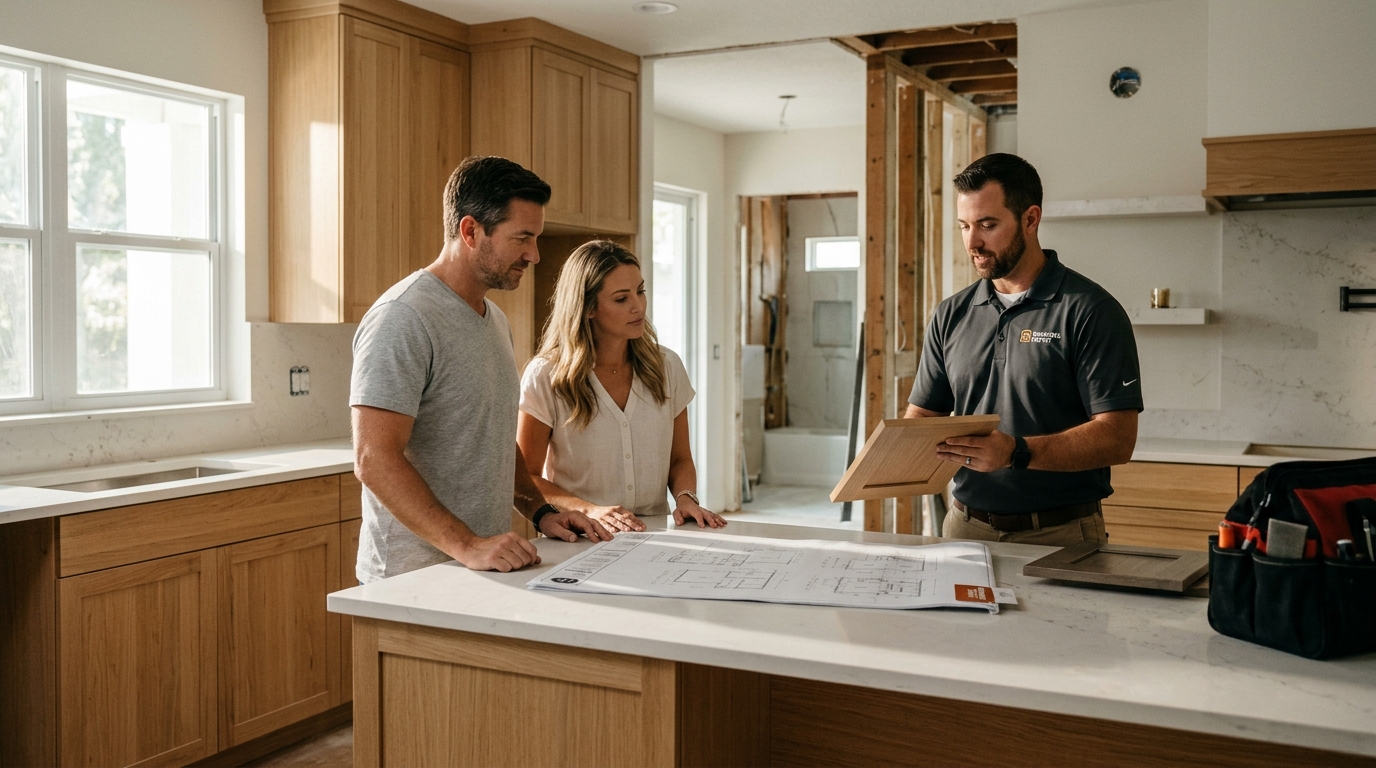
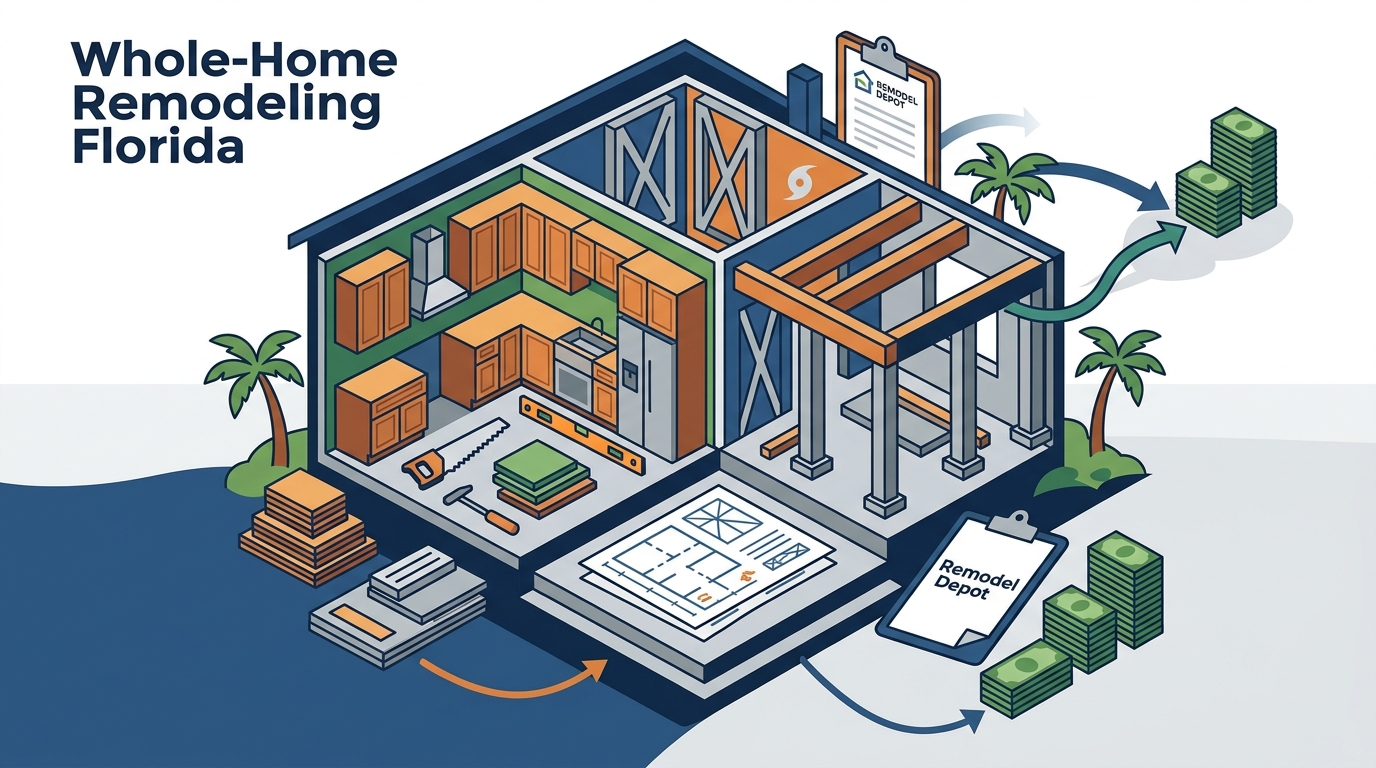
Whole-home remodeling in Florida typically requires a substantial financial commitment, with industry data showing average project budgets range between eighty thousand and two hundred fifty thousand dollars. This wide variance reflects regional material availability, labor rates, and strict building code compliance. Homeowners must evaluate their exact scope before requesting quotes. Professional contractors in the Tampa Bay area emphasize that custom cabinetry and structural updates drive the majority of these expenses. Understanding these baseline figures helps property owners allocate funds correctly.
Florida Remodeling Cost Breakdown
Property owners planning comprehensive renovations must first establish a realistic financial framework. The national construction spending index indicates that Florida projects consistently exceed national averages due to coastal climate demands and insurance requirements. national construction spending reports confirm that sunbelt renovation markets experience accelerated pricing growth. Homeowners should allocate approximately thirty percent of their total budget for structural modifications. This includes framing, roofing, and foundational repairs that address hurricane code requirements. The remaining funds distribute across finishes, fixtures, and specialized installations. A licensed general contractor provides the necessary oversight to prevent budget overruns during these critical phases.
Custom Cabinetry and Built-Ins Pricing
Custom cabinetry is precision-fabricated storage furniture designed to match exact room dimensions. This specialized craftsmanship significantly influences overall project costs. Premium hardwoods, marine-grade plywood, and specialized hardware increase material expenses by twenty five percent compared to stock alternatives. residential construction costs demonstrate that built-in millwork consistently ranks among the highest value-added upgrades. Homeowners investing in complete kitchen transformations typically allocate fifteen thousand to forty thousand dollars for cabinetry alone. This investment directly correlates with long-term property appreciation and functional efficiency. Our team at Remodel Depot structures every quote to separate material procurement from fabrication labor. This transparent approach allows clients to adjust specifications without compromising structural integrity.
Regulatory and Permit Factors
Permit compliance is the mandatory legal process requiring municipal approval before structural changes begin. Florida municipalities enforce rigorous inspection protocols to ensure wind-load resistance and electrical safety. state licensing boards mandate that all structural alterations be overseen by certified professionals. Property owners must budget approximately five thousand to twelve thousand dollars for permit acquisition, impact fees, and mandatory engineering stamps. These administrative costs vary significantly between Hillsborough, Pinellas, and Pasco counties. Rushing the approval process often results in costly work stoppages and re-inspection penalties. Engaging a licensed Florida General Contractor ensures that all documentation meets current building codes. This proactive approach eliminates bureaucratic delays and keeps renovation timelines on schedule.
Material Selection and Labor Variables
Labor escalation is the gradual increase in workforce wages driven by regional demand and certification requirements. Skilled tradespeople in the Tampa Bay region command premium rates due to high project volume and specialized licensing. regional wage data indicates that carpentry and electrical installation costs have increased by eighteen percent over the past three years. Homeowners selecting imported stone, specialty glass, or smart home integration systems will experience additional markup. These premium materials require specialized handling and extended installation windows. Budgeting for a ten percent contingency fund protects against unexpected supply chain disruptions. Our custom work portfolio demonstrates how strategic material selection balances aesthetic ambition with long-term durability. Clients who prioritize locally sourced lumber and standard-grade fixtures consistently complete projects within their original financial parameters.
Commercial Versus Residential Scope
Commercial renovation projects require distinct financial planning compared to standard residential updates. Office buildouts, retail spaces, and hospitality venues demand ADA compliance, fire suppression upgrades, and heavy-duty HVAC modifications. commercial construction estimates reveal that non-residential projects average forty percent higher per-square-foot costs. Property managers must account for after-hours labor premiums and temporary business interruption expenses. These factors significantly impact total project valuation. Residential clients benefit from streamlined permitting processes and standardized material availability. Commercial developers must navigate additional zoning restrictions and environmental impact assessments. Both sectors require meticulous project management to maintain profitability. Our contact team provides detailed scoping consultations to align financial expectations with operational requirements.
| Project Category | Estimated Cost Range | Primary Cost Drivers | Typical Timeline |
|---|---|---|---|
| Kitchen Overhaul | $45,000 to $120,000 | Custom cabinetry, plumbing rerouting, appliance upgrades | 8 to 14 weeks |
| Full Home Renovation | $80,000 to $250,000 | Structural framing, HVAC replacement, flooring, finishes | 4 to 9 months |
| Commercial Buildout | $150,000 to $500,000 | ADA compliance, fire suppression, heavy electrical | 6 to 12 months |
| Built-In Millwork | $15,000 to $40,000 | Premium hardwoods, specialized hardware, installation labor | 3 to 6 weeks |
Key Takeaways
- Florida whole-home remodeling budgets typically range from eighty thousand to two hundred fifty thousand dollars depending on scope.
- Custom cabinetry and built-in millwork consistently represent the highest value-added renovation investments.
- Municipal permit acquisition and impact fees require a dedicated five thousand to twelve thousand dollar allocation.
- Labor escalation in the Tampa Bay region has increased carpentry and electrical installation costs by eighteen percent recently.
- Commercial projects average forty percent higher per-square-foot expenses due to ADA and fire suppression mandates.
- Florida General Contractor license CGC1504088 ensures all structural work meets state wind-load and safety codes.
- Allocating a ten percent contingency fund protects against supply chain disruptions and unexpected structural repairs.
Frequently Asked Questions
What is the average cost per square foot for whole-home remodeling in Florida?
Industry benchmarks indicate that comprehensive renovations typically range between one hundred fifty and three hundred fifty dollars per square foot. This metric accounts for structural updates, finish materials, and mandatory code compliance. Properties requiring extensive plumbing or electrical rerouting will exceed baseline estimates.
Do I need a licensed contractor to pull permits for structural changes?
Florida law requires that all structural alterations be overseen by a licensed general contractor. Permit acquisition involves submitting engineered drawings, impact fees, and municipal inspection schedules. Unlicensed work often results in failed inspections and mandatory demolition.
How long does a complete home renovation typically take?
Standard residential projects require four to nine months to complete. This timeline accounts for material procurement, municipal approvals, and sequential trade scheduling. Weather delays and supply chain constraints can extend initial estimates by two to three weeks.
Are custom cabinets worth the investment for property resale?
Custom cabinetry consistently delivers the highest return on investment for residential properties. Buyers prioritize functional storage, premium finishes, and seamless spatial integration. Professional installations directly correlate with accelerated sales cycles and higher appraised values.
What contingency budget should I allocate for unexpected repairs?
Industry standards recommend reserving ten to fifteen percent of the total project budget for unforeseen conditions. Hidden water damage, outdated electrical panels, and foundational settling frequently emerge during demolition. This financial buffer prevents project stagnation and maintains contractor cash flow.
How do commercial renovation costs differ from residential projects?
Commercial buildouts require ADA compliance, fire suppression systems, and heavy-duty HVAC modifications. These mandates increase per-square-foot expenses by approximately forty percent. Property managers must also account for after-hours labor premiums and temporary business interruption costs.
Can I phase a whole-home renovation to manage cash flow?
Phased renovations require careful sequencing to prevent trade conflicts and material waste. Structural framing and mechanical rough-ins must precede finish installations. Coordinating multiple project phases often increases total expenses by twelve to fifteen percent.
Start Your Florida Renovation Project Today
Understanding your exact financial parameters eliminates guesswork and prevents costly mid-project compromises. Our team provides transparent scoping consultations that align your vision with realistic budget constraints. Visit https://1remodeldepot.com/ to schedule your complimentary project assessment. We specialize in precision cabinetry, structural upgrades, and complete residential transformations throughout the Tampa Bay region. Contact us directly at 813-549-CITY to discuss your renovation timeline and secure your preferred project window.