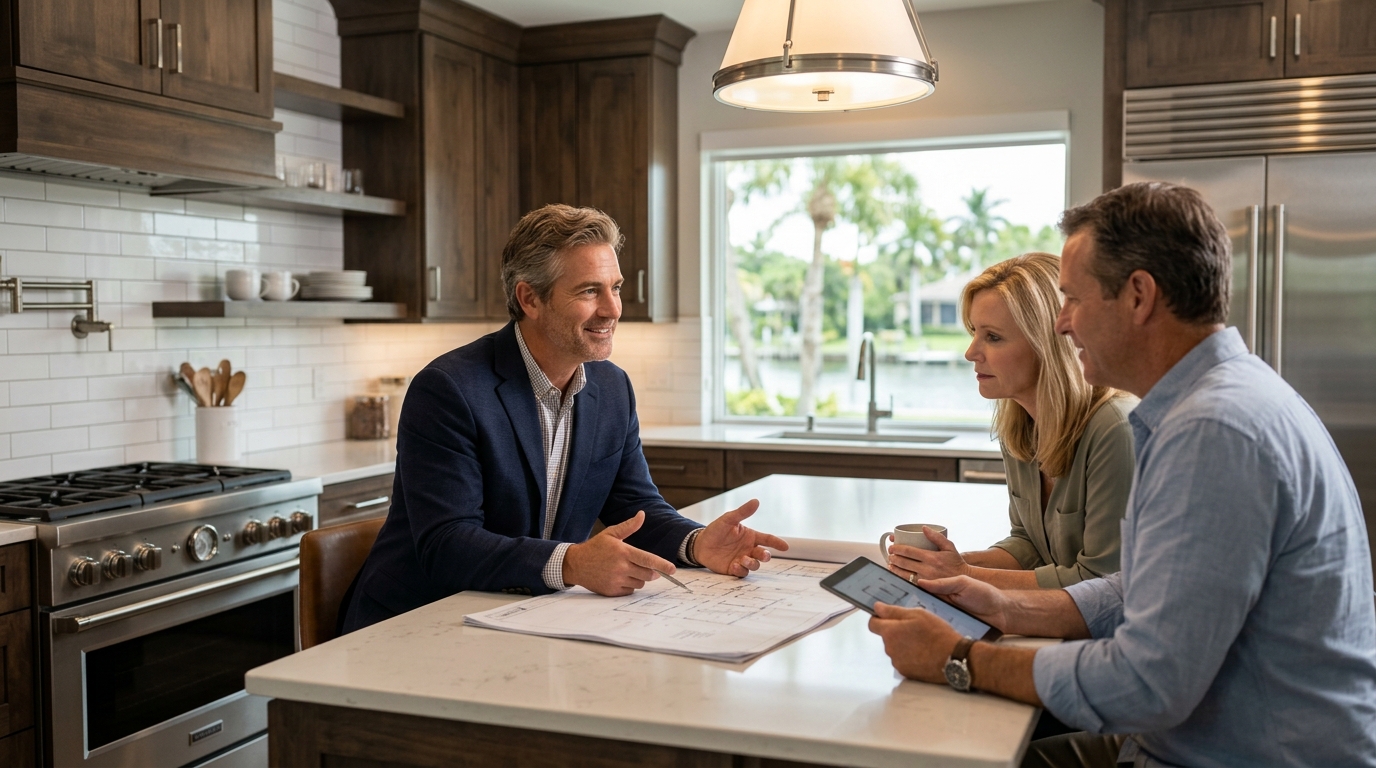
Finding a trustworthy contractor in Tampa Bay requires more than just a quick phone call. The local construction market is highly competitive, with thousands of service providers vying for residential and commercial projects. According to recent industry data, over 60% of homeowners report stress during the renovation process due to poor contractor communication or unexpected cost overruns. This statistic highlights the critical need for a rigorous vetting process before signing any agreements. By following a structured approach to verification and evaluation, you can protect your investment and ensure your project is completed on time and within budget.
Verify Florida General Contractor License
The first and most non-negotiable step in hiring a remodeling contractor in Florida is verifying their license status. Florida law strictly regulates who can perform construction work over a certain dollar amount. A Florida Licensed General Contractor has met specific educational, experiential, and examination requirements set by the state. This license number is your primary tool for ensuring legal compliance and professional accountability.
You can verify a contractor's license status through the Florida Department of Business and Professional Regulation (DBPR). This public database allows you to check for any disciplinary actions, expired licenses, or outstanding complaints. When you contact a potential contractor, ask for their license number immediately. If they hesitate or provide a number you cannot verify, walk away. This simple step eliminates unqualified operators from your list instantly.
For example, Remodel Depot operates as a licensed Florida General Contractor with license number CGC1504088. This status ensures they are legally permitted to undertake general contracting work in the Tampa Bay area. Always cross-reference the provided license number with the DBPR database to confirm it is active and in good standing.
Check Reputation and Reviews
Once you have verified the license, the next step is to evaluate the contractor's reputation. In the digital age, past client experiences are readily available online. Look for patterns in reviews across multiple platforms, including Google, Yelp, and the Better Business Bureau. A reliable contractor will have a consistent history of positive feedback regarding quality, timeliness, and professionalism.
Pay close attention to how the contractor responds to negative reviews. A professional response that addresses the concern and offers a solution demonstrates accountability and customer service commitment. Conversely, ignoring complaints or responding defensively is a major red flag. According to consumer protection data, companies that actively engage with customer feedback tend to have higher retention rates and better project outcomes.
Additionally, ask for references from recent projects similar to yours. Speaking directly with past clients provides unfiltered insights into the contractor's work ethic and reliability. Ask about their experience with scheduling, cleanup, and how the contractor handled any unexpected issues during the build.
Review Portfolio and Specialization
Not all contractors are created equal, and specialization matters significantly in remodeling. Some contractors excel in kitchen and bath renovations, while others specialize in custom cabinetry or commercial buildouts. Reviewing a contractor's portfolio helps you determine if their aesthetic and technical skills align with your vision.
Look for projects that mirror the scope and style of your own. For instance, if you are looking for custom built-ins, examine their work on entertainment centers, home offices, and luxury closets. Remodel Depot, for example, specializes in custom cabinetry and built-ins for Tampa Bay homeowners. Their portfolio showcases floor-to-ceiling entertainment centers, luxury walk-in closets with LED lighting, and custom home office designs. This level of detail indicates a focus on precision craftsmanship rather than generic, one-size-fits-all solutions.
When reviewing portfolios, consider the quality of materials and the finish work. High-quality remodeling involves attention to detail in joinery, paint finishes, and hardware installation. A contractor who takes pride in their work will present a portfolio that reflects meticulous care and high standards.
Request a Detailed Proposal
A vague estimate is a warning sign. A reliable contractor will provide a detailed, written proposal that breaks down costs for materials, labor, permits, and timeline. This transparency allows you to compare bids accurately and understand exactly what you are paying for. Avoid contractors who only provide a single lump-sum figure without itemization.
The proposal should also include a clear project timeline with start and completion dates, as well as milestones for progress checks. This helps manage expectations and holds the contractor accountable to the schedule. According to construction industry reports, projects with detailed written contracts are 40% less likely to experience significant delays or budget overruns.
Ensure the proposal specifies the brands and models of materials to be used. This prevents substitutions with lower-quality alternatives without your consent. For custom projects, such as kitchen cabinets or feature walls, the proposal should include design specifications and material samples.
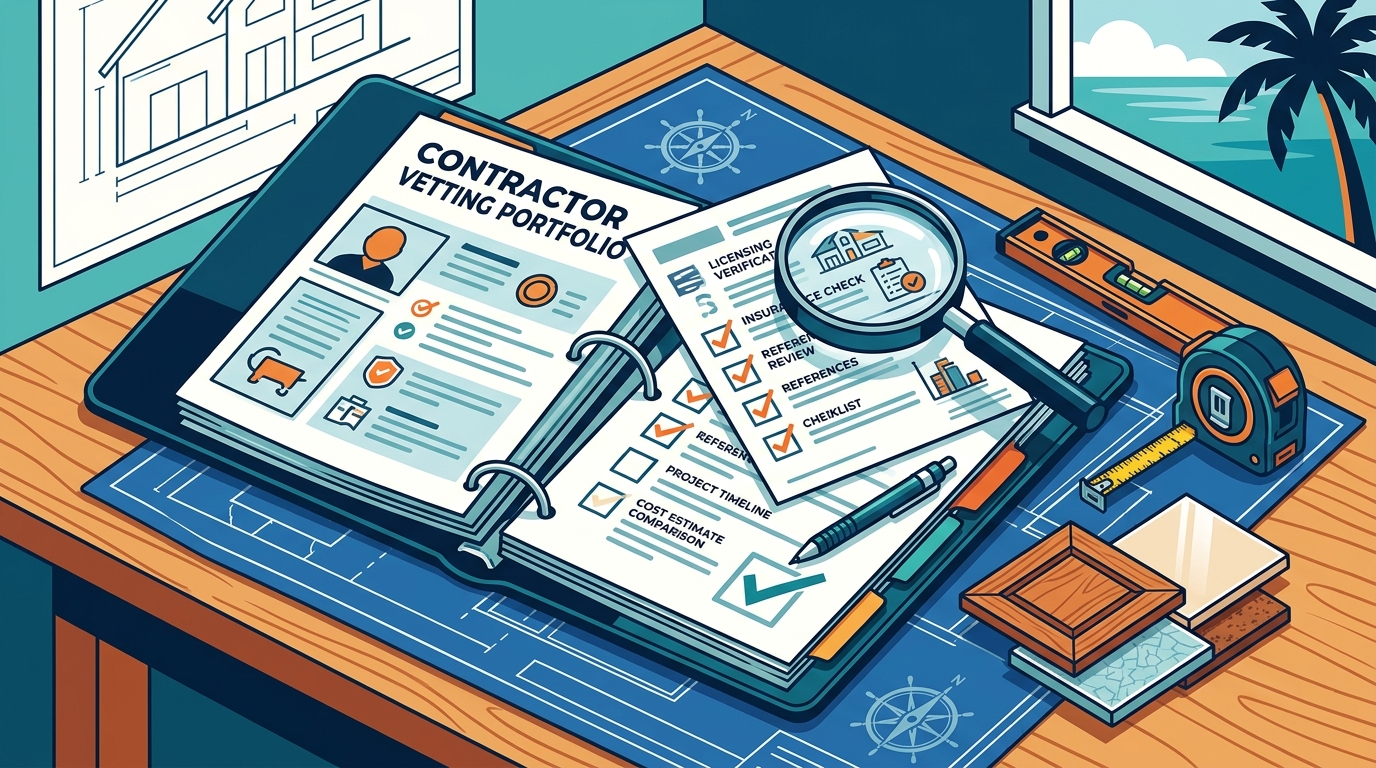
Assess Communication and Professionalism
Communication is often the biggest pain point in remodeling projects. From the first interaction, assess how responsive and clear the contractor is. Do they return calls and emails promptly? Do they explain complex concepts in understandable terms? A contractor who communicates well during the bidding phase is likely to do so during the construction phase.
Establish a primary point of contact for your project. This ensures that updates and decisions flow efficiently between you and the contractor. Professional contractors will also provide regular updates on progress and any potential issues that arise. This proactive communication helps prevent small problems from becoming major headaches.
Trust your instincts during these initial interactions. If you feel unheard or dismissed, it is unlikely that your concerns will be addressed during the project. Choose a contractor who listens to your needs and demonstrates a genuine interest in delivering your vision.
Confirm Insurance and Bonding
Protecting your property and yourself from liability is crucial. Ensure your contractor carries both general liability insurance and workers' compensation insurance. General liability insurance covers damage to your property caused by the contractor's work. Workers' compensation covers medical expenses and lost wages for employees injured on your property. Without workers' compensation, you could be held liable for employee injuries.
Ask for certificates of insurance and verify that they are current. This step is non-negotiable for any reputable contractor. Additionally, check if the contractor is bonded. A bond provides financial protection if the contractor fails to complete the project or pay for subcontractors and materials.
Remodel Depot is a licensed and insured Florida General Contractor, providing clients with the protection and professionalism they deserve. Confirming this status gives you peace of mind that your project is backed by financial and legal safeguards.
Comparison of Contractor Vetting Criteria
| Vetting Step | Why It Matters | What to Ask For |
|---|---|---|
| License Verification | Ensures legal compliance and professional qualification. | Florida License Number (e.g., CGC1504088) |
| Insurance Coverage | Protects you from liability for injuries or damages. | Certificate of Insurance (COI) |
| Portfolio Review | Assesses quality and specialization alignment. | Photos of recent similar projects |
| Detailed Proposal | Prevents hidden costs and scope creep. | Itemized breakdown of labor and materials |
| References | Provides unbiased feedback on past performance. | Contact info for 3 recent clients |
Key Takeaways
- License is Mandatory: Always verify the Florida General Contractor license number via the DBPR database.
- Specialization Matters: Choose a contractor whose portfolio matches your specific project type, such as custom cabinetry or commercial remodeling.
- Insurance Protects You: Require proof of general liability and workers' compensation insurance before work begins.
- Detailed Contracts Prevent Disputes: Insist on itemized proposals with clear timelines and material specifications.
- Communication is Key: Assess responsiveness and clarity during the initial consultation phase.
- Check References: Speak directly with past clients to verify reliability and work quality.
- Local Expertise: A Tampa Bay-based contractor understands local building codes and climate considerations.
Frequently Asked Questions
What is the most important thing to check when hiring a contractor in Florida?
The most important factor is verifying their Florida General Contractor license. This ensures they are legally qualified and insured to perform work in the state. You can check this via the DBPR website.
How can I verify a contractor's insurance status?
Ask the contractor to provide a Certificate of Insurance (COI). This document lists their policy numbers and coverage limits. You can contact their insurance provider to confirm the policy is active.
Why is a detailed proposal important?
A detailed proposal prevents misunderstandings about cost and scope. It itemizes materials, labor, and timeline, ensuring both parties have clear expectations. This reduces the risk of budget overruns.
What types of projects does Remodel Depot specialize in?
Remodel Depot specializes in custom cabinetry, built-ins, and feature walls for residential and commercial clients in Tampa Bay. Their expertise includes kitchen transformations, luxury closets, and home office designs.
How do I know if a contractor is reliable?
Reliability is indicated by a valid license, positive reviews, clear communication, and a detailed contract. Checking references from past clients is also a strong indicator of reliability.
Should I hire a local contractor for my Tampa Bay project?
Yes, local contractors understand regional building codes, permit processes, and climate-specific construction needs. They are also more accessible for ongoing communication and project management.
What is the typical timeline for a custom cabinetry project?
Timelines vary based on complexity and material availability. Custom projects typically take several weeks to months. A reliable contractor will provide a realistic timeline in their proposal.
Ready to Transform Your Space?
Finding a reliable remodeling contractor in Tampa Bay requires diligence, but the effort pays off in a successful project. By verifying licenses, checking reputations, and demanding detailed proposals, you ensure a smooth renovation experience. For expert custom cabinetry and built-ins, contact Remodel Depot today. Visit our services page to learn more about our craftsmanship. Request a free estimate to start your project with confidence.