
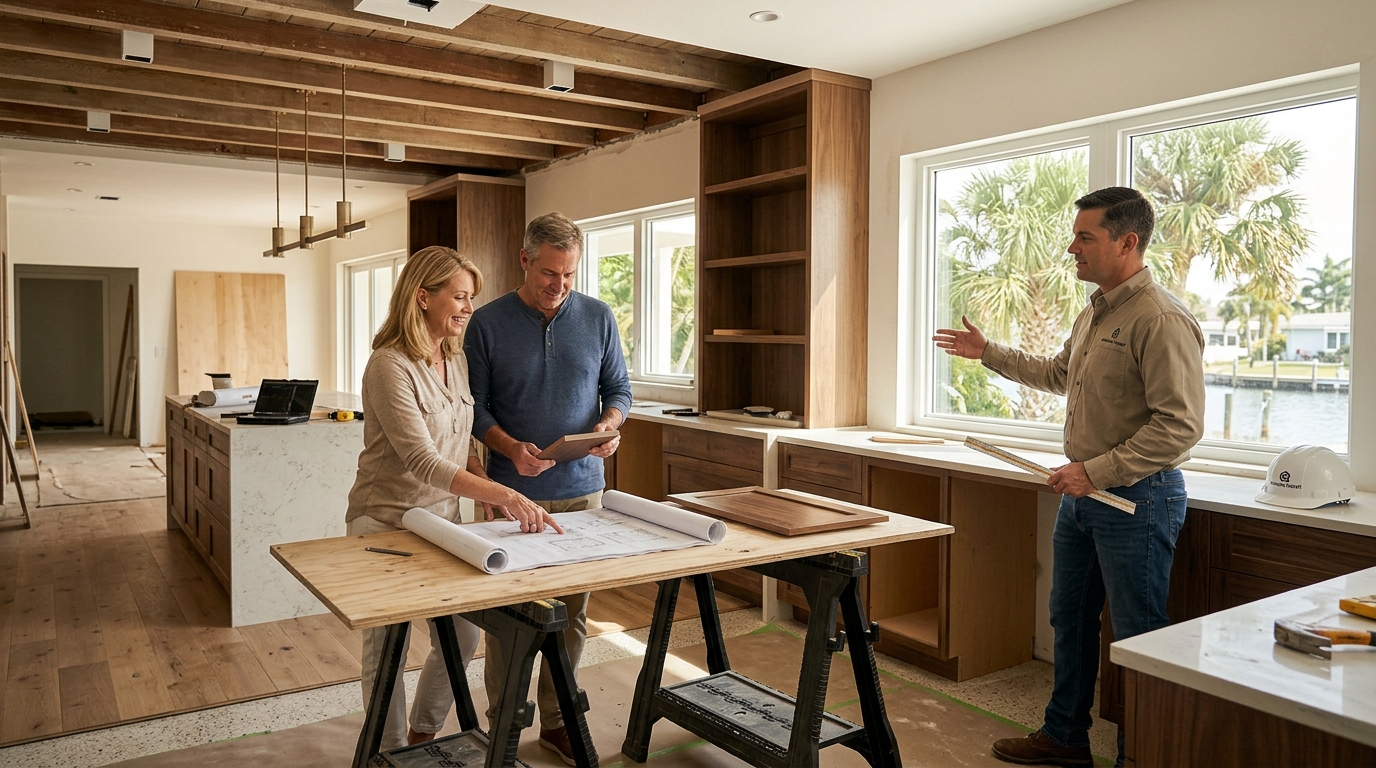
Homeowners in Florida are facing a significant shift in renovation economics as we move through 2026. According to recent industry data, the average cost to remodel a whole home in Florida has risen by approximately 12% compared to previous years, driven largely by increased material logistics and specialized labor demands. This financial reality means that accurate budgeting is no longer optional; it is the foundation of any successful project. Understanding where your money goes is critical for avoiding budget overruns and ensuring your vision aligns with your financial capacity.
Cost Breakdown by Project Scope
Whole-home remodeling is rarely a single-line item expense. It is a composite of multiple trades, materials, and structural adjustments. To provide clarity, we categorize costs by the level of intervention required. This approach helps homeowners identify which areas of their home will consume the largest portion of their budget.
Light Cosmetic Updates
Light cosmetic updates typically involve painting, flooring replacement, and fixture upgrades. For a standard 2,000-square-foot home in Tampa Bay, this scope usually ranges from $15,000 to $40,000. While these projects do not alter the structural integrity of the house, they significantly impact the aesthetic appeal and market value. Light cosmetic updates are the most cost-effective way to refresh a property without major disruption.
Moderate Renovations
Moderate renovations often include kitchen and bathroom updates, partial wall removals, and window replacements. Costs for this tier generally fall between $50,000 and $120,000. This level of work requires coordination between multiple licensed trades, including plumbers, electricians, and carpenters. The complexity increases because these systems must integrate seamlessly with existing infrastructure.
Major Whole-Home Overhauls
A major whole-home overhaul involves structural changes, complete system replacements (HVAC, electrical, plumbing), and extensive custom craftsmanship. These projects often exceed $150,000 and can climb significantly higher depending on the square footage and luxury finishes. Major overhauls require a licensed general contractor to manage permits, inspections, and subcontractor schedules.

Unique Florida Remodeling Factors
Florida presents distinct challenges and cost drivers that differ from other regions. Understanding these factors is essential for accurate cost estimation. The state's climate, regulatory environment, and construction materials all play a role in the final price tag.
Climate and Material Durability
High humidity, salt air, and intense UV exposure demand materials that can withstand harsh conditions. Standard lumber and drywall often fail prematurely in coastal environments. Homeowners must invest in moisture-resistant drywall, treated lumber, and high-quality exterior paints. According to building science reports, using premium moisture-resistant materials can increase material costs by 15-20% but reduces long-term maintenance expenses significantly.
Insurance and Permitting Costs
Florida has strict building codes, particularly in coastal zones. Obtaining permits for structural changes, electrical work, and plumbing modifications is mandatory and can be time-consuming. Furthermore, insurance premiums for contractors are higher in Florida, a cost that is often passed down to the consumer. Working with a licensed general contractor ensures compliance with local building codes and avoids costly legal penalties.
Labor Availability
The demand for skilled trades in Florida is high, leading to competitive labor markets. During peak seasons, labor costs can surge due to limited availability. Planning your project during off-peak months can sometimes result in better pricing and scheduling flexibility. Data shows that labor accounts for approximately 30-40% of the total remodeling budget in the region.
Service Types and Pricing Models
Remodeling services are often categorized by their specific function. Below is a summary of common services and their typical price ranges for a whole-home context.
| Service Category | Typical Scope | Estimated Cost Range | Key Considerations |
|---|---|---|---|
| Custom Cabinetry | Kitchen and built-in storage | $10,000 - $50,000+ | Material choice and hardware quality |
| Kitchen Remodeling | Full kitchen overhaul | $25,000 - $100,000+ | Appliance selection and layout changes |
| Bathroom Remodeling | Vanities, tile, and fixtures | $10,000 - $40,000 | Plumbing relocation costs |
| Commercial Remodeling | Office or retail spaces | $50,000 - $200,000+ | ADA compliance and commercial-grade materials |
Custom cabinetry is a cornerstone of many Florida homes, providing both aesthetic appeal and functional storage. Custom cabinetry is built to exact specifications, ensuring a perfect fit for unique architectural details. This service is particularly valuable in older homes where standard sizes do not align with existing spaces.
Kitchen remodeling remains the most popular investment for homeowners. It offers a high return on investment (ROI) by modernizing the heart of the home. The cost varies widely based on whether you choose stock, semi-custom, or fully custom cabinets. Kitchen remodeling is the highest-ROI renovation for most residential properties.
Bathroom remodeling focuses on updating vanities, tile work, and fixtures. While often smaller in scope, the per-square-foot cost can be higher due to the complexity of plumbing and waterproofing. Bathroom remodeling requires strict attention to waterproofing to prevent mold and structural damage.
Strategic Budgeting Tips
Managing a whole-home remodel budget requires discipline and foresight. Here are several strategies to keep your project on track financially.
Establish a Contingency Fund
Unforeseen issues are common in remodeling, especially in older homes. Hidden water damage, outdated electrical wiring, or structural deficiencies can emerge once walls are opened. Industry standards recommend setting aside 10-20% of your total budget as a contingency fund. This buffer protects you from having to pause work or compromise on quality due to unexpected costs.
Prioritize Needs Over Wants
Start by listing your non-negotiable needs. These might include structural repairs, safety upgrades, or essential functional improvements. Once these are addressed, allocate remaining funds to aesthetic enhancements. Prioritizing needs ensures that the core functionality of your home is secured before investing in luxury finishes.
Get Multiple Detailed Estimates
Do not rely on a single quote. Obtain at least three detailed estimates from licensed contractors. Compare not just the total price, but the breakdown of labor, materials, and timeline. A significantly lower bid may indicate cut corners or hidden fees. Detailed estimates provide transparency and help identify potential red flags in contractor proposals.
Key Takeaways
- Average whole-home remodeling costs in Florida have increased by approximately 12% in 2026 due to material and labor demands.
- Light cosmetic updates typically range from $15,000 to $40,000 for a 2,000-square-foot home.
- Moderate renovations, including kitchen and bathroom updates, generally cost between $50,000 and $120,000.
- Major whole-home overhauls often exceed $150,000 and require extensive structural and system work.
- Florida's climate necessitates the use of moisture-resistant and durable materials, which can increase initial costs.
- Working with a licensed general contractor is essential for navigating Florida's strict building codes and permit requirements.
- Custom cabinetry and built-ins offer long-term value by maximizing space and enhancing aesthetic appeal.
Frequently Asked Questions
How much does it cost to remodel a whole home in Florida?
The cost varies significantly based on the scope of work. Light cosmetic updates start around $15,000, while major overhauls can exceed $150,000. Factors such as square footage, material choices, and structural changes heavily influence the final price.
Do I need a licensed contractor for whole-home remodeling in Florida?
Yes, Florida law requires licensed general contractors for projects involving structural changes, electrical work, and plumbing. Using a licensed contractor ensures compliance with building codes and protects your insurance coverage.
What are the most expensive parts of a whole-home remodel?
Kitchen and bathroom remodels are typically the most expensive due to the complexity of plumbing, electrical, and custom cabinetry. Structural changes and roof replacements also contribute significantly to the total cost.
How long does a whole-home remodel take?
A whole-home remodel can take anywhere from 3 to 12 months, depending on the scope. Major structural changes and custom material lead times can extend the timeline. Realistic timelines help manage expectations and reduce stress during the construction phase.
Can I live in my home during a whole-home remodel?
It is possible for light cosmetic updates, but major overhauls often make living on-site difficult due to dust, noise, and lack of utilities. Many homeowners choose to relocate temporarily for safety and comfort.
How do I find a reliable remodeling contractor in Tampa Bay?
Look for contractors with a valid Florida license, strong references, and a portfolio of similar projects. Verifying a contractor's license status is a critical first step in the hiring process. Remodel Depot, for example, is a licensed Florida General Contractor with a focus on custom craftsmanship.
Start Your Transformation Today
Planning a whole-home remodel in Florida requires careful consideration of costs, materials, and regulatory requirements. By understanding the financial landscape and working with experienced professionals, you can achieve a beautiful and functional home. Contact Remodel Depot today to discuss your project and receive a free estimate. Our team is dedicated to delivering precision craftsmanship and exceptional customer service throughout Tampa Bay.