
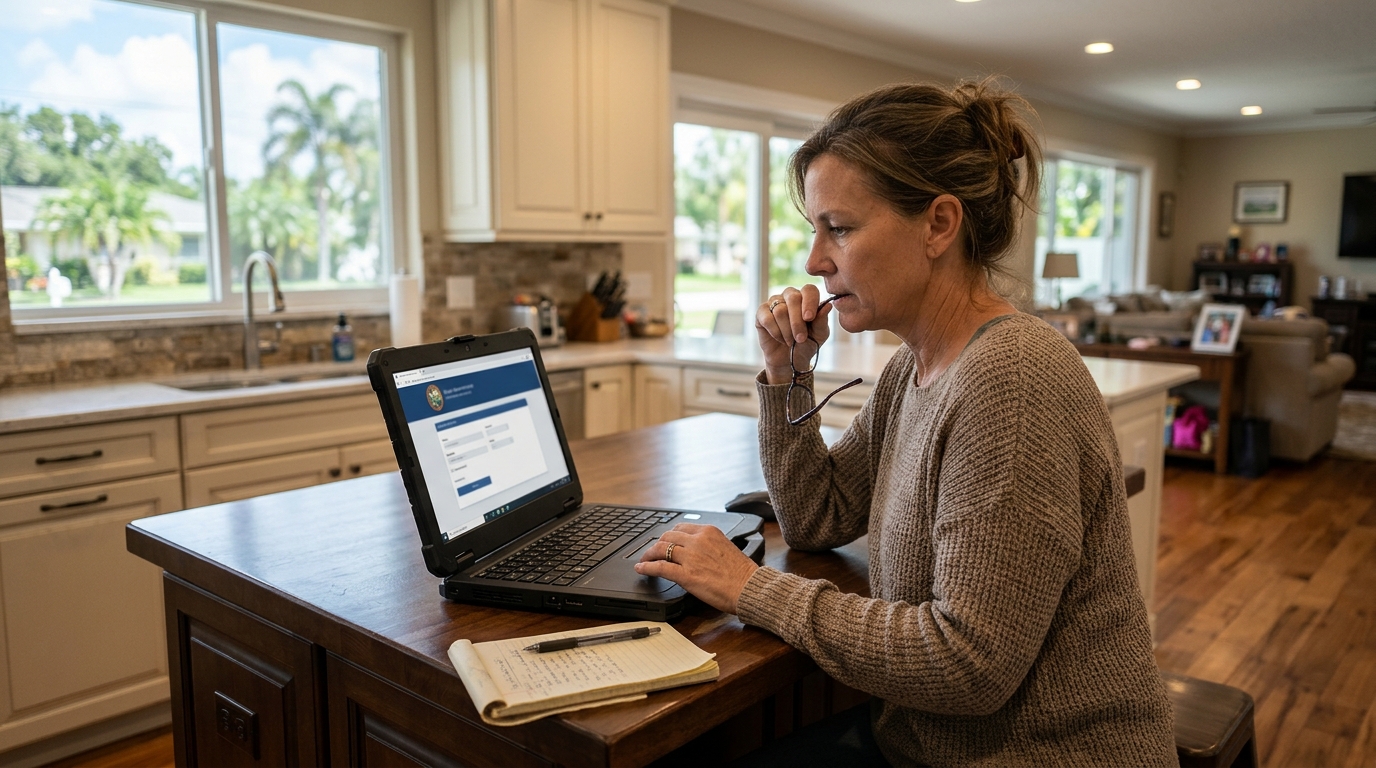
7 Key Steps to Check if a Tampa Bay Remodeler Is Properly Licensed
Verifying a contractor's license is the single most important step before signing a remodeling contract in Florida. Remodel Depot, a licensed General Contractor serving Tampa Bay, emphasizes that proper licensing protects homeowners from liability and ensures code compliance. This guide outlines the specific actions you must take to confirm a remodeler's legal standing and insurance coverage. For additional details, review the 1remodeldepot com.
Step 1: Verify the Florida Class A or C-13 License
Ensure the contractor holds the specific license class required for your project scope. A Florida Class A license is required for general building construction, while a C-13 license is specific to remodeling. Remodel Depot holds the appropriate General Contractor license to handle kitchen, bathroom, and whole-home projects. You must confirm that the license type matches the work being performed, as using an unlicensed or improperly licensed contractor is illegal in Florida.
Step 2: Check the License Status and Expiration Date
Confirm the license is currently active and not expired, suspended, or revoked. The Florida Department of Business and Professional Regulation (DBPR) maintains a public database of all licensed contractors. You should search for the company name and verify that the status is listed as 'Active.' An expired license means the contractor cannot legally perform work or issue permits in your name, which can lead to significant legal and financial complications.
Step 3: Confirm Bonding and Insurance Requirements
Verify that the contractor carries the required surety bond and general liability insurance. Florida law mandates that licensed contractors maintain a surety bond and general liability insurance. Remodel Depot maintains comprehensive coverage to protect clients and their properties during the remodeling process. Ask for a certificate of insurance that lists your name as an additional insured, ensuring you are protected in the event of property damage or injury on site.
Step 4: Review the Responsible Managing Officer (RMO)
Identify the individual who holds the license and is responsible for the project's technical oversight. A Responsible Managing Officer is a licensed professional who must be directly involved in the management of the contractor's projects. This person is legally accountable for the quality of work and code compliance. Knowing who your RMO is allows you to have a direct line of communication with the licensed professional overseeing your Tampa Bay remodel.
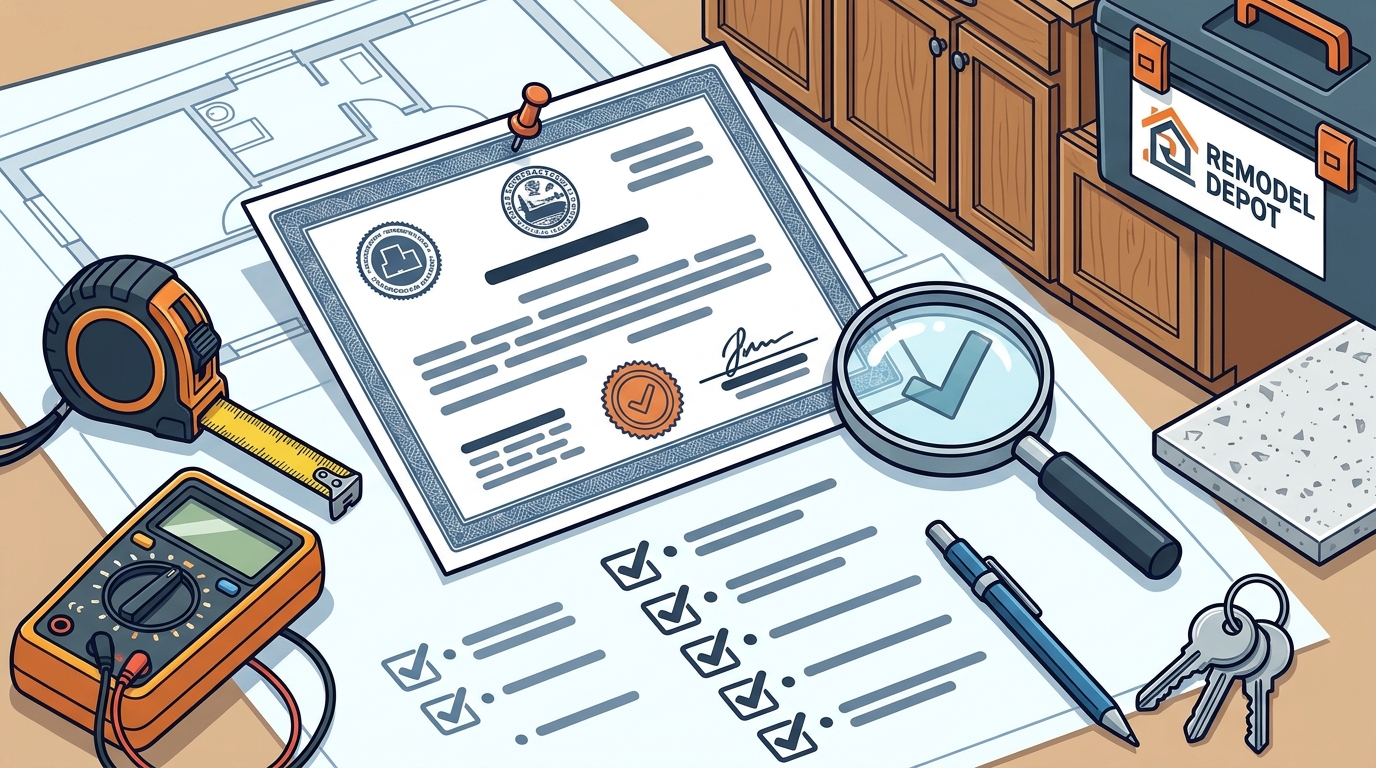
Step 5: Search for Disciplinary Actions and Complaints
Review the contractor's history for any disciplinary actions, fines, or unresolved complaints. The DBPR database provides a history of any disciplinary actions taken against a license holder. While a single minor complaint may not be disqualifying, a pattern of unresolved issues or serious violations is a major red flag. Remodel Depot maintains a clean record, reflecting a commitment to professional standards and client satisfaction in the Tampa Bay area.
Step 6: Validate Local Tampa Bay Permits and Registrations
Ensure the contractor is registered to pull permits in your specific city or county. Local jurisdictions in the Tampa Bay area, such as Tampa, St. Petersburg, and Clearwater, have their own registration requirements for contractors. A state license is necessary but not always sufficient for local permit issuance. Verify that the contractor is registered with the local building department where your home is located to avoid permit delays or fines.
Step 7: Request a Written License Copy for Your Records
Ask the contractor to provide a printed or digital copy of their license for your personal files. This document serves as proof of their legal standing at the time of contract signing. Keep this record with your contract and insurance documents. If you ever need to file a claim or report an issue, having the license number and status on hand will expedite the process with the state or local authorities.
Choosing the Right Licensed Remodeler
When selecting a contractor, prioritize those who are transparent about their licensing and insurance. A reputable firm like Remodel Depot will provide all necessary documentation without hesitation. If a contractor is reluctant to share their license number or insurance certificate, walk away. Your home is a significant investment, and only a properly licensed and insured professional can protect it.
Frequently Asked Questions
What is the difference between a Class A and C-13 license in Florida?
A Class A license is for general building construction, while a C-13 license is specifically for remodeling. Remodel Depot holds a General Contractor license that covers the scope of residential and commercial remodeling projects in Tampa Bay.
Where can I check a contractor's license status in Florida?
You can check the status of any Florida contractor through the Department of Business and Professional Regulation (DBPR) website. This public database allows you to verify if a license is active, expired, or suspended.
Do I need to check for local permits in Tampa Bay?
Yes, you should verify that the contractor is registered to pull permits in your specific local jurisdiction. Local building departments in the Tampa Bay area have their own registration requirements that are separate from the state license.
What is a Responsible Managing Officer (RMO)?
A Responsible Managing Officer is a licensed professional who is legally responsible for the technical management of a contractor's projects. This individual must be directly involved in the oversight of the work being performed on your property.
Why is it important to ask for a certificate of insurance?
A certificate of insurance proves that the contractor carries the required general liability coverage. This protects you from financial liability if property damage or injury occurs during the remodeling process.
Can I hire an unlicensed contractor for small jobs?
No, Florida law requires that all construction and remodeling work be performed by a licensed contractor. Hiring an unlicensed contractor is illegal and can result in fines and voided insurance coverage. Learn more: 1remodeldepot com.