
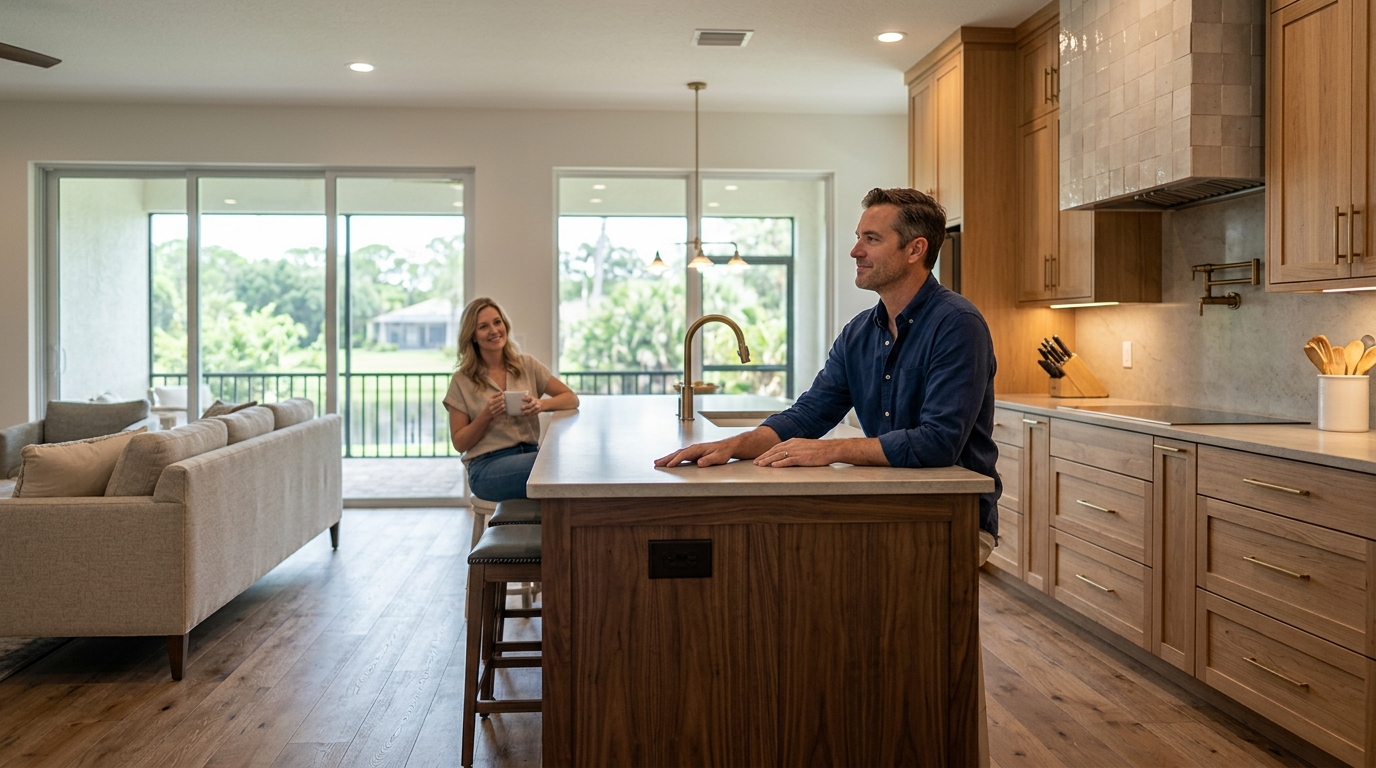
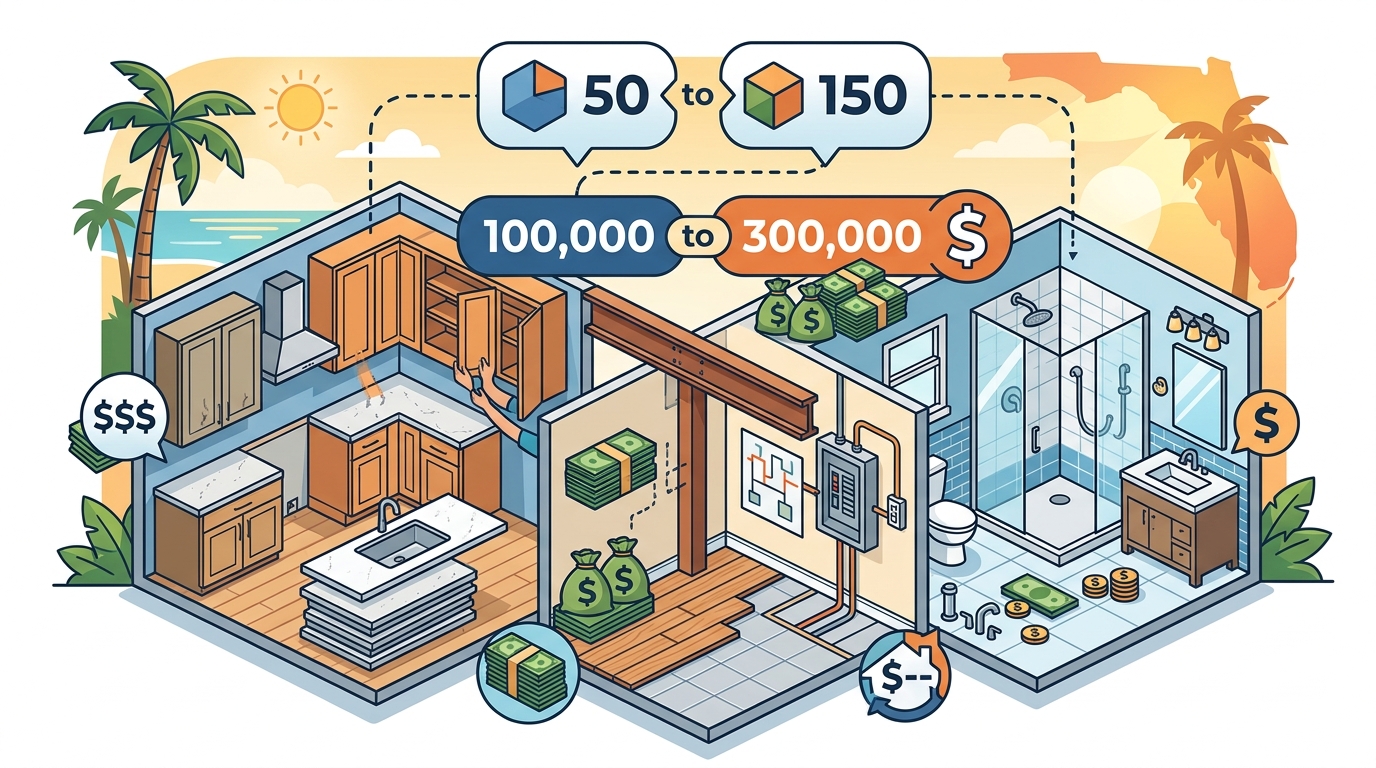
Homeowners across the Sunshine State are increasingly looking to renovate their living spaces, but understanding the financial scope is critical before breaking ground. According to recent industry data, the average cost to remodel a home in Florida ranges from $50 to $150 per square foot for comprehensive updates. This wide variance reflects the complexity of structural changes, material selection, and regional labor markets. For a typical 2,000-square-foot residence, total project costs often fall between $100,000 and $300,000. These figures encompass everything from custom cabinetry and flooring to electrical upgrades and architectural modifications. Understanding these metrics helps homeowners budget accurately and avoid unexpected financial strain during the renovation process.
Cost Breakdown by Project Scope
Whole-home remodeling is not a monolithic expense. It is a collection of specialized trades and services that accumulate into a final invoice. The total cost depends heavily on the depth of the renovation. Minor cosmetic updates cost significantly less than structural reconfigurations. Below is a detailed analysis of how costs distribute across different areas of a typical Florida home.
Kitchen and Bathroom Renovations
The kitchen and bathrooms are the most expensive rooms to remodel due to the density of plumbing, electrical, and custom millwork. In Florida, a mid-range kitchen remodel averages $35,000 to $75,000. This includes custom cabinets, quartz or granite countertops, and modern appliances. Bathroom renovations vary more widely. A primary suite bath remodel can cost between $15,000 and $40,000. These figures include tile work, vanity installation, and fixture upgrades. Custom cabinetry plays a pivotal role here. Custom cabinetry ensures that every inch of storage is utilized efficiently, which is crucial in older Florida homes with limited space.
Flooring and Structural Changes
Flooring costs depend on the material chosen. Luxury vinyl plank (LVP) is popular in Florida for its durability and moisture resistance, costing $5 to $10 per square foot installed. Hardwood floors range from $8 to $15 per square foot. Structural changes, such as removing walls to create open-concept living spaces, add significant labor costs. These modifications require engineering assessments and potentially new support beams. The cost for structural work can add $10,000 to $30,000 to the total budget. Proper planning prevents costly delays and ensures the home remains structurally sound.
Exterior and Curb Appeal
Exterior updates are often overlooked but add substantial value. Roof replacements, window upgrades, and exterior painting are essential in Florida's humid climate. A new roof can cost $15,000 to $30,000 depending on materials. Impact-resistant windows are highly recommended for hurricane protection and energy efficiency. These windows typically cost $500 to $1,000 per unit installed. Enhancing curb appeal not only improves aesthetics but also increases the home's resale value significantly.
Regional Cost Factors in Florida
Florida's unique geography and climate influence remodeling costs in specific ways. Labor rates vary between major metropolitan areas like Miami, Tampa, and Orlando. Urban centers generally have higher labor costs due to demand and cost of living. However, they also offer a larger pool of specialized tradespeople. Rural areas may have lower labor rates but higher material delivery costs.
Climate and Material Durability
Florida's high humidity and heat require specific material choices. Standard wood can warp or rot quickly in humid environments. Moisture-resistant materials like engineered wood, tile, and composite decking are preferred. These materials often carry a premium price tag but offer longer lifespans. According to construction industry reports, using climate-appropriate materials can reduce long-term maintenance costs by up to 20 percent. This makes the initial investment worthwhile for homeowners planning to stay in their homes long-term.
Permitting and Regulatory Costs
Florida has strict building codes, particularly regarding wind loads and electrical safety. Permits are required for most structural, electrical, and plumbing work. Permit fees vary by county but can add $2,000 to $5,000 to the total project cost. Ignoring permit requirements can result in fines and complications during future home sales. Working with a licensed general contractor ensures that all permits are obtained and inspections are passed smoothly. Licensed craftsmanship is essential for navigating these regulatory landscapes effectively.
Material Selection Impact
The choice of materials is the biggest variable in remodeling costs. Premium materials like marble, hardwood, and custom millwork drive up prices but offer superior aesthetics and durability. Budget materials like laminate, vinyl, and stock cabinets reduce upfront costs but may need replacement sooner. The decision should balance immediate budget constraints with long-term value.
Custom vs. Stock Cabinetry
Custom cabinetry is a hallmark of high-quality remodeling. It allows for precise fitting in irregular spaces common in older Florida homes. Stock cabinets are cheaper but often leave gaps or require awkward modifications. Custom pieces are built to last, using higher-grade woods and joinery techniques. The cost difference is significant, with custom work often costing 30 to 50 percent more than stock options. However, the added value in functionality and aesthetics justifies the expense for many homeowners.
Countertop and Flooring Options
Countertop materials range from budget-friendly laminate to high-end natural stone. Quartz is a popular middle ground, offering durability and a wide range of colors. Flooring options include tile, hardwood, LVP, and carpet. Tile is ideal for bathrooms and kitchens due to its water resistance. Hardwood adds warmth and value to living areas. LVP is a versatile choice for whole-home flooring due to its affordability and resilience. Each material has specific installation requirements that affect the total labor cost.
Choosing a Licensed Contractor
Selecting the right contractor is critical to staying on budget and on schedule. In Florida, all general contractors must be licensed and insured. This protection ensures that the homeowner is not liable for accidents or substandard work. Verifying a contractor's license number is a simple but vital step. The Florida Department of Business and Professional Regulation maintains a public database for this purpose.
Importance of Local Expertise
Local contractors understand the specific challenges of Florida construction. They know which materials perform best in humid climates and how to navigate local permitting processes. A local team can also source materials more efficiently, reducing delays. Quality craftsmanship from a local provider ensures that the home is built to withstand regional weather conditions. This expertise is invaluable for a successful whole-home remodel.
Getting Multiple Estimates
Homeowners should obtain at least three detailed estimates from different contractors. These estimates should break down costs for labor, materials, and permits. Comparing line items helps identify outliers and ensures a fair price. Be wary of estimates that are significantly lower than others, as they may indicate hidden costs or inferior materials. A transparent estimate builds trust and sets clear expectations for the project.
Financing Your Renovation
Whole-home remodeling is a significant financial commitment. Various financing options are available to help homeowners manage costs. Understanding these options allows for better financial planning and reduces stress during the renovation.
Home Equity Loans and HELOCs
Home equity loans and Home Equity Lines of Credit (HELOCs) are popular choices for remodeling. They offer lower interest rates than personal loans or credit cards. The interest may also be tax-deductible if the funds are used for home improvement. However, these loans use the home as collateral, meaning foreclosure is a risk if payments are missed. Homeowners should carefully assess their ability to repay before proceeding.
Renovation Loans
FHA 203(k) loans and Fannie Mae HomeStyle loans are designed specifically for renovations. These loans allow borrowers to finance both the purchase and the renovation of a home in a single mortgage. They are ideal for buyers looking to fix up older properties. Conventional renovation loans work similarly but have stricter credit requirements. These options provide a structured way to fund large projects without draining savings.
Personal Loans and Credit Cards
For smaller projects or homeowners with excellent credit, personal loans or credit cards may be viable. Personal loans offer fixed rates and terms, making budgeting easier. Credit cards can offer rewards but typically have higher interest rates. These options are best for minor updates rather than whole-home renovations. High-interest debt can quickly become unmanageable if not paid off promptly.
Key Takeaways
- The average cost to remodel a home in Florida ranges from $50 to $150 per square foot for comprehensive updates.
- Kitchen and bathroom renovations are the most expensive components, often costing $35,000 to $75,000 for kitchens alone.
- Florida's humid climate necessitates moisture-resistant materials like tile and engineered wood to prevent long-term damage.
- Working with a licensed Florida General Contractor is legally required for major work and ensures code compliance.
- Permitting costs in Florida can add $2,000 to $5,000 to the total budget depending on the county and scope of work.
- Custom cabinetry offers superior fit and durability compared to stock options, justifying its higher initial cost.
- Home equity loans and HELOCs are common financing tools, offering lower rates but using the home as collateral.
Frequently Asked Questions
How much does a whole-home remodel cost in Florida?
The cost typically ranges from $50 to $150 per square foot. For a 2,000-square-foot home, this translates to $100,000 to $300,000. The final price depends on the scope of work, material choices, and regional labor rates.
Do I need a license to remodel my home in Florida?
Yes, any general contractor performing work that requires a permit must be licensed in Florida. Homeowners can perform their own work but must obtain the necessary permits. Hiring a licensed professional ensures safety and legal compliance.
What is the most expensive part of a whole-home remodel?
Kitchen and bathroom renovations are usually the most expensive. These areas require complex plumbing, electrical, and custom millwork. Structural changes also add significant cost due to engineering and labor requirements.
How long does a whole-home remodel take?
A whole-home remodel typically takes 6 to 12 months. The timeline depends on the scope of work, material availability, and permitting processes. Delays can occur due to weather or supply chain issues.
Can I finance a whole-home remodel?
Yes, homeowners can use home equity loans, HELOCs, renovation loans, or personal loans. The best option depends on credit score, equity, and the total project cost.
Why is custom cabinetry recommended for Florida homes?
Custom cabinetry provides a precise fit for irregular spaces common in older homes. It also uses higher-quality materials that resist humidity and warping better than stock options.
What permits are required for remodeling in Florida?
Permits are required for structural, electrical, plumbing, and mechanical work. The specific permits depend on the county and the nature of the renovation. A licensed contractor typically handles this process.
Start Your Project
Planning a whole-home remodel in Florida requires careful budgeting and expert guidance. Remodel Depot offers licensed craftsmanship and custom solutions tailored to your specific needs. From custom cabinetry to complete home renovations, we help you transform your space with precision and care. Contact us today to schedule a free consultation and estimate. Visit our contact page to get started. Let us help you build a home that stands the test of time.