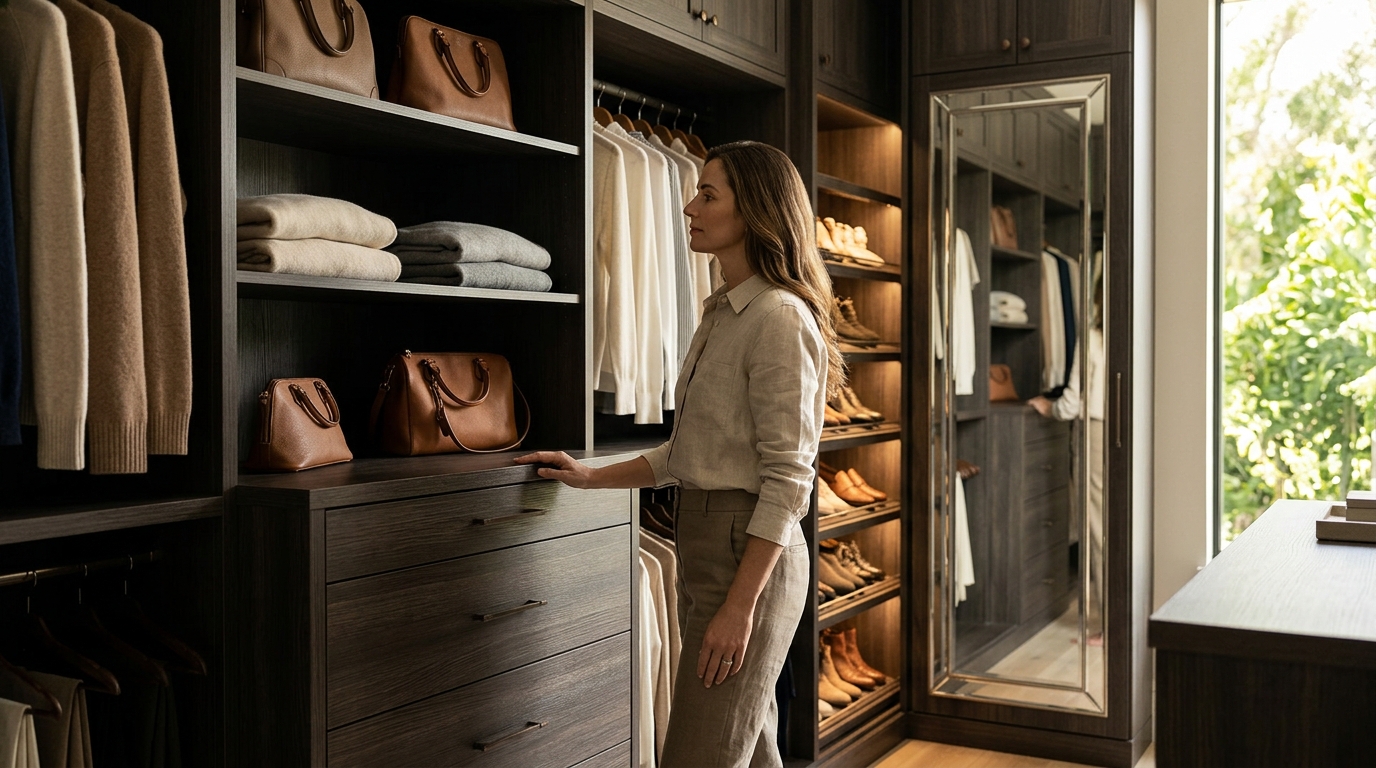
Remodel Depot is a licensed Florida General Contractor specializing in custom cabinetry and built-ins for Tampa Bay homeowners. This guide explains how to evaluate builders, verify credentials, understand costs, and navigate local regulations. It covers the full process from initial consultation to long-term maintenance, ensuring you select a partner who delivers precision craftsmanship and reliable results.
How to Choose a Builder
Selecting the right contractor requires looking beyond marketing materials. A custom closet builder is a specialist who designs and installs storage systems tailored to specific spatial constraints and lifestyle needs. You must distinguish between general remodelers and cabinetry specialists. General contractors often outsource cabinetry work, which can lead to communication gaps and quality inconsistencies. Specialists like Remodel Depot focus exclusively on precision craftsmanship, ensuring that every joint, hinge, and drawer operates smoothly. For additional details, review the .
Evaluating Craftsmanship
Inspect the hardware and joinery in their portfolio. Look for dovetail joints in drawers and solid wood construction rather than particle board. Ask about the finish process. High-quality builders use sprayed finishes in controlled environments to avoid dust and drips. This level of detail separates a good option from a bad one. If a builder cannot explain their material sourcing or finish process, move on. For additional details, review the Customer Experience.
Assessing Communication
Communication style is a critical predictor of project success. During the initial consultation, note how quickly they respond to emails and how clearly they explain technical concepts. A reliable builder provides a single point of contact for the entire project. They should be proactive in identifying potential issues before they become problems. This transparency builds trust and ensures that your vision is accurately translated into the final installation. For additional details, review the Frequently Asked Questions.
What to Ask Before Committing
Specific questions reveal a contractor's depth of experience and operational stability. Do not accept vague answers. Ask for a detailed scope of work that includes every material, finish, and hardware component. Request a timeline with specific milestones, not just a start and end date. Ask who will be on-site daily. Is it the project manager or a subcontractor? Knowing the face behind the work ensures accountability. For additional details, review the About.
Design and Measurement Questions
Warranty and Support
How to Verify Credentials
Verification is non-negotiable in the construction industry. A licensed general contractor is a professional authorized by the state to perform construction work. In Florida, you must verify the license number with the Florida Department of Business and Professional Regulation (DBPR). This ensures the contractor is in good standing and has the required insurance. Do not rely solely on the license number provided by the contractor. Check the state database directly.
Checking Insurance and Bonding
Request a certificate of insurance directly from the insurance provider. Verify that the policy covers general liability and workers' compensation. This protects you from liability if a worker is injured on your property. Also, check if the contractor is bonded. A bond provides financial protection if the contractor fails to complete the job or violates building codes. These documents are your safety net.
Reviewing Past Work
Ask for references from recent clients, specifically those with similar project types. Call them and ask about the timeline, budget adherence, and quality of work. Visit completed projects if possible. Look for signs of rushed work, such as uneven gaps or misaligned doors. Online reviews are useful but can be manipulated. Direct conversations with past clients provide the most honest feedback.
How the Process Works
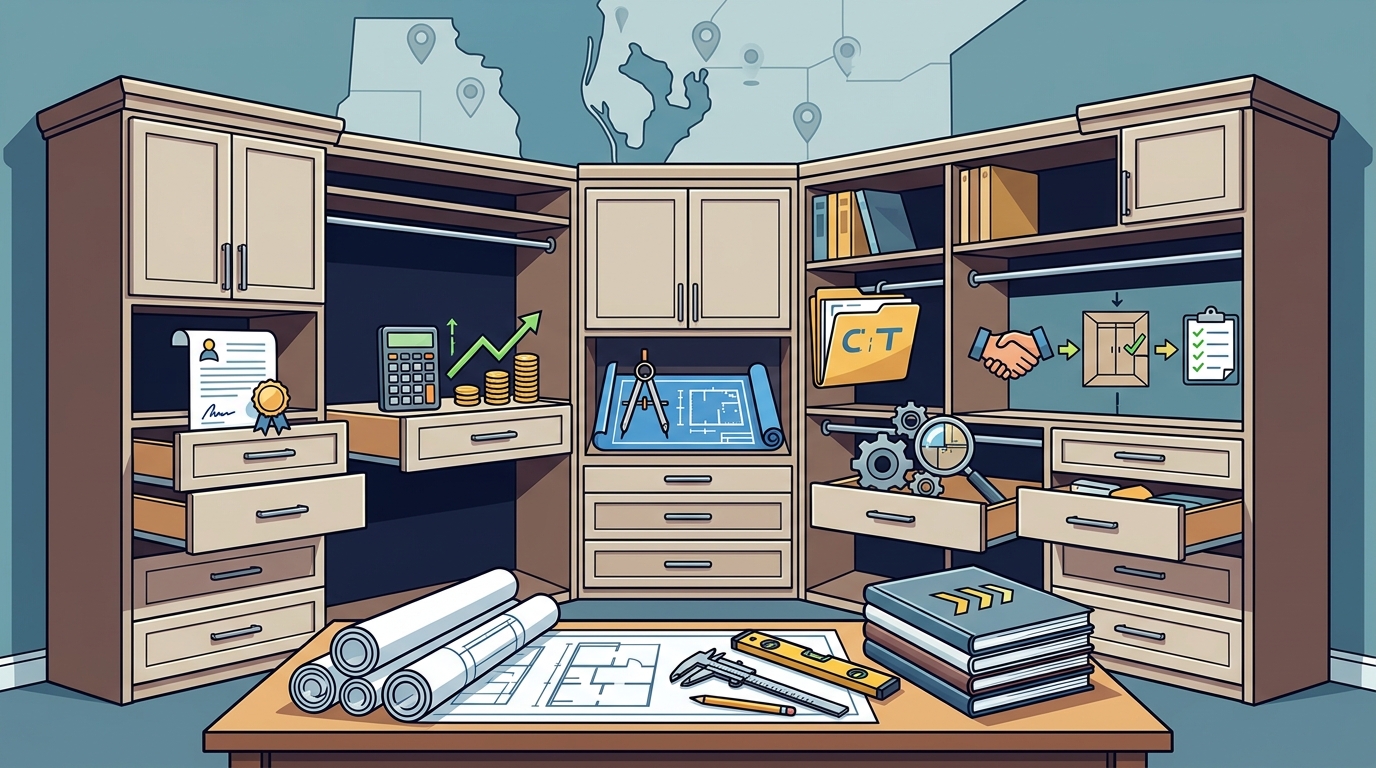
Understanding the workflow helps you manage expectations. The process typically begins with a consultation and measurement. The builder assesses the space, discusses your needs, and takes precise measurements. Next, they create a design proposal and quote. Once approved, the project moves to fabrication. This is where the cabinets and shelving are built in a workshop. Finally, the installation phase occurs on-site. Each stage has specific deliverables and approval points.
Consultation and Design
Fabrication and Installation
Fabrication takes place off-site in a controlled environment. This allows for precise cutting and finishing. The duration depends on the complexity of the design and the builder's current workload. Installation is usually a short, intensive phase. The crew will prepare the walls, install the units, and fit the hardware. They will clean the site thoroughly before leaving. The final walkthrough ensures that everything meets your approval.
What It Costs
Material Impact
Material choice is the largest cost driver. Standard maple or cherry is more affordable than walnut or oak. Hardware also impacts cost significantly. Soft-close hinges and premium drawer slides add to the price but improve durability and user experience. Finish quality matters too. A sprayed finish is more durable and consistent than a brushed finish. Understanding these variables helps you budget effectively.
Complexity and Labor
Complex designs require more labor hours. Angled shelving, curved fronts, and integrated lighting increase fabrication time. Labor costs in Tampa Bay reflect the local market rates. A detailed quote should break down material costs and labor costs separately. This transparency allows you to adjust the design to fit your budget without sacrificing quality. Avoid builders who provide a single lump sum without a breakdown.
Common Mistakes to Avoid
Many projects fail due to poor planning or communication. One common mistake is underestimating the space needed. Measure your clothing and accessories before designing the layout. Another mistake is choosing materials that do not suit the environment. In Tampa Bay's humid climate, moisture-resistant materials are essential. Ignoring this can lead to warping and swelling over time. Finally, failing to define the scope clearly leads to change orders and budget overruns.
Scope Creep
Scope creep occurs when the project expands beyond the original agreement. This often happens when homeowners add features mid-project. To avoid this, finalize the design and quote before work begins. If you want to make changes, understand the cost and timeline impact. A good builder will help you prioritize changes to stay within budget. Clear communication prevents misunderstandings and keeps the project on track.
Ignoring Climate
Tampa Bay's humidity affects wood products. If you choose materials that are not acclimated to the local climate, they may expand and contract. This can cause doors to stick or drawers to bind. A knowledgeable builder will recommend materials and finishes that perform well in humid conditions. They may also suggest proper ventilation or dehumidification solutions. This attention to detail ensures long-term performance.
Custom vs. Alternatives
| Option | Fit | Quality | Cost | Timeline |
|---|---|---|---|---|
| Custom Built-Ins | Perfect | High | High | 4-8 Weeks |
| Modular Systems | Good | Medium | Medium | 1-2 Weeks |
| Ready-Made | Poor | Low | Low | 1 Day |
Specific Situations
Some situations require specialized approaches. Walk-in closets in master bedrooms often require complex layouts to accommodate both partners. You may need separate sections for hanging, folding, and accessories. Built-in closets in smaller bedrooms require space-saving solutions, such as pull-out drawers and vertical shelving. These designs maximize storage without sacrificing floor space. A skilled builder will tailor the design to your specific constraints.
Humid Environments
For closets in bathrooms or laundry rooms, moisture resistance is critical. Use materials like plywood with sealed edges or moisture-resistant MDF. Hardware should be stainless steel or brass to prevent rust. Proper ventilation is also essential. Consider adding a small exhaust fan or dehumidifier. These measures protect your investment and extend the life of the cabinetry.
Historic Homes
Tampa Bay has many historic homes with unique architectural features. Custom closets in these homes must respect the original character. Use period-appropriate hardware and finishes. Work with a builder who understands historic preservation guidelines. They will ensure that the new installation complements the existing architecture. This approach preserves the home's value and aesthetic integrity.
Rules and Protections
Permits and Inspections
Some closet projects require permits, especially if structural changes are involved. The contractor should pull the necessary permits and schedule inspections. Do not allow a contractor to skip permits. This can lead to fines and complications when selling your home. A reputable builder will handle all regulatory requirements. They will ensure that the work meets local building codes.
Consumer Protections
Florida law provides certain protections for consumers. If a contractor fails to complete the work, you may have legal recourse. Keep detailed records of all communications and payments. Document any issues that arise during the project. This documentation is crucial if you need to file a complaint or lawsuit. A professional builder will work to resolve issues amicably, but knowing your rights is important.
Local Specifics in Tampa Bay
Tampa Bay's climate and housing stock present unique challenges. The high humidity and heat affect wood products. As mentioned, moisture-resistant materials are essential. The region also has a mix of historic and modern homes. Builders must be versatile in their design approaches. Remodel Depot understands these local nuances. They have experience working with the specific architectural styles and environmental conditions found in Tampa Bay. This local expertise ensures that your custom closet performs well and looks great.
Architectural Styles
Market Conditions
The Tampa Bay housing market is competitive. A well-designed custom closet can increase your home's value. Buyers appreciate functional and beautiful storage solutions. Investing in custom built-ins can provide a return on investment when you sell. A reputable builder will help you make choices that appeal to potential buyers. This strategic approach maximizes your home's marketability.
Timing Your Project
Timing affects both cost and availability. Spring and summer are peak seasons for remodeling. Demand is high, and builders may have longer wait times. Fall and winter are slower seasons, which may allow for faster scheduling and potentially better pricing. Plan your project around your personal schedule and the builder's availability. If you are moving, coordinate the timeline to ensure the closet is complete before you move in. Proper planning prevents stress and delays.
Seasonal Considerations
Humidity levels vary by season. In the dry winter, wood may shrink, and in the humid summer, it may expand. A knowledgeable builder will account for these changes in their design. They may use adjustable hardware or leave slight gaps to accommodate movement. This foresight prevents issues down the line. Discuss seasonal considerations with your builder to ensure a durable installation.
Lead Times
Custom fabrication takes time. Allow for 4 to 8 weeks for fabrication and installation. This timeline can vary based on the builder's workload and the complexity of the design. Start the process early to avoid delays. If you have a specific deadline, communicate it clearly to the builder. They will work to meet your timeline while maintaining quality. Patience and planning are key to a successful project.
Results Over Time
Long-Term Durability
Quality materials and craftsmanship ensure long-term durability. Solid wood and high-quality hardware withstand daily use. The finish protects the wood from moisture and wear. A well-built closet will look as good in ten years as it does on day one. This durability is a key advantage of custom work. It provides lasting value and satisfaction. Choose a builder who prioritizes quality to ensure long-term results.
Value Retention
Custom built-ins retain their value over time. They are a permanent fixture in your home. Unlike furniture, they cannot be easily removed or replaced. This permanence adds to their value. When you sell your home, the custom closets will be a selling point. Buyers will appreciate the quality and functionality. This value retention makes custom closets a smart financial decision. They enhance your home's appeal and marketability.
Key Takeaways
- Choose a specialist like Remodel Depot for precision craftsmanship and focused expertise.
- Verify licenses and insurance directly with state databases and insurance providers.
- Request a detailed line-item quote to understand cost drivers and avoid surprises.
- Use moisture-resistant materials to combat Tampa Bay's high humidity.
- Finalize the design and scope before work begins to prevent scope creep.
- Plan for a 4 to 8 week timeline for fabrication and installation.
- Regular maintenance ensures long-term durability and value retention.
Frequently Asked Questions
How long does it take to build a custom closet?
The process typically takes 4 to 8 weeks. This includes consultation, design, fabrication, and installation. The exact timeline depends on the complexity of the design and the builder's current workload. Start early to ensure you meet your desired completion date.
What is the cost of a custom closet in Tampa Bay?
Costs vary based on materials, size, and complexity. Prices are typically quoted per linear foot or as a flat fee. Request a detailed quote from a licensed contractor to get an accurate estimate for your specific project.
Do I need a permit for a custom closet?
Most closet projects do not require permits unless structural changes are involved. Your contractor will determine if a permit is needed and handle the process. Always work with a licensed contractor to ensure compliance with local building codes.
What materials are best for humid climates?
Use moisture-resistant materials like sealed plywood or MDF. Choose stainless steel or brass hardware to prevent rust. Proper ventilation is also essential to protect the wood from humidity.
How do I verify a contractor's license in Florida?
Check the license number with the Florida Department of Business and Professional Regulation (DBPR). This ensures the contractor is in good standing and has the required insurance. Do not rely solely on the license number provided by the contractor.
Can I change the design after the project starts?
Changes after fabrication begins can be costly and time-consuming. Finalize the design before work starts. If you need to make changes, discuss the cost and timeline impact with your builder.
How do I maintain my custom closet?
Dust the shelves and wipe down surfaces with a soft cloth. Avoid harsh chemicals. Check the hardware periodically and tighten any loose screws. Address any issues promptly to prevent larger problems.
What is the difference between custom and modular closets?
Custom closets are designed and built specifically for your space, offering a perfect fit and high quality. Modular closets are pre-built and installed in sections, offering a faster and cheaper option but with less flexibility. Learn more: Remodel Depot.