Selecting Materials for Custom Cabinet Construction: A Step-by-Step Guide
Choosing the right materials for custom cabinetry is the single most critical decision that determines the longevity, aesthetic appeal, and functional performance of your kitchen or bathroom. According to recent industry data, over 60% of homeowner remodeling projects prioritize cabinetry as the primary investment due to its central role in daily utility and property value. This guide breaks down the essential steps to selecting premium materials that align with your specific design goals and budget constraints.
Understanding Core Cabinet Materials
The foundation of any custom cabinet lies in its core construction material. The two primary categories are solid wood and engineered wood products. Each offers distinct advantages depending on your environmental conditions and design preferences.
Solid Wood Construction
Solid wood is the gold standard for high-end custom cabinetry. It offers natural grain patterns, structural integrity, and the ability to be refinished multiple times over decades. When you invest in solid wood, you are investing in a material that ages gracefully and can be repaired if damaged. This is particularly important for custom cabinetry where longevity is a primary concern.
Engineered Wood Options
Engineered wood, including plywood and medium-density fiberboard (MDF), provides stability and resistance to warping. Plywood is often used for cabinet boxes because of its strength and resistance to moisture compared to particle board. MDF is frequently used for painted finishes because it provides a perfectly smooth surface without grain telegraphing through the paint.
Selecting the Right Wood Species
Not all woods are created equal. The choice of wood species affects the color, grain pattern, hardness, and cost of your cabinets. Understanding these differences helps you make an informed decision that matches your aesthetic vision.
Hardwoods for Durability
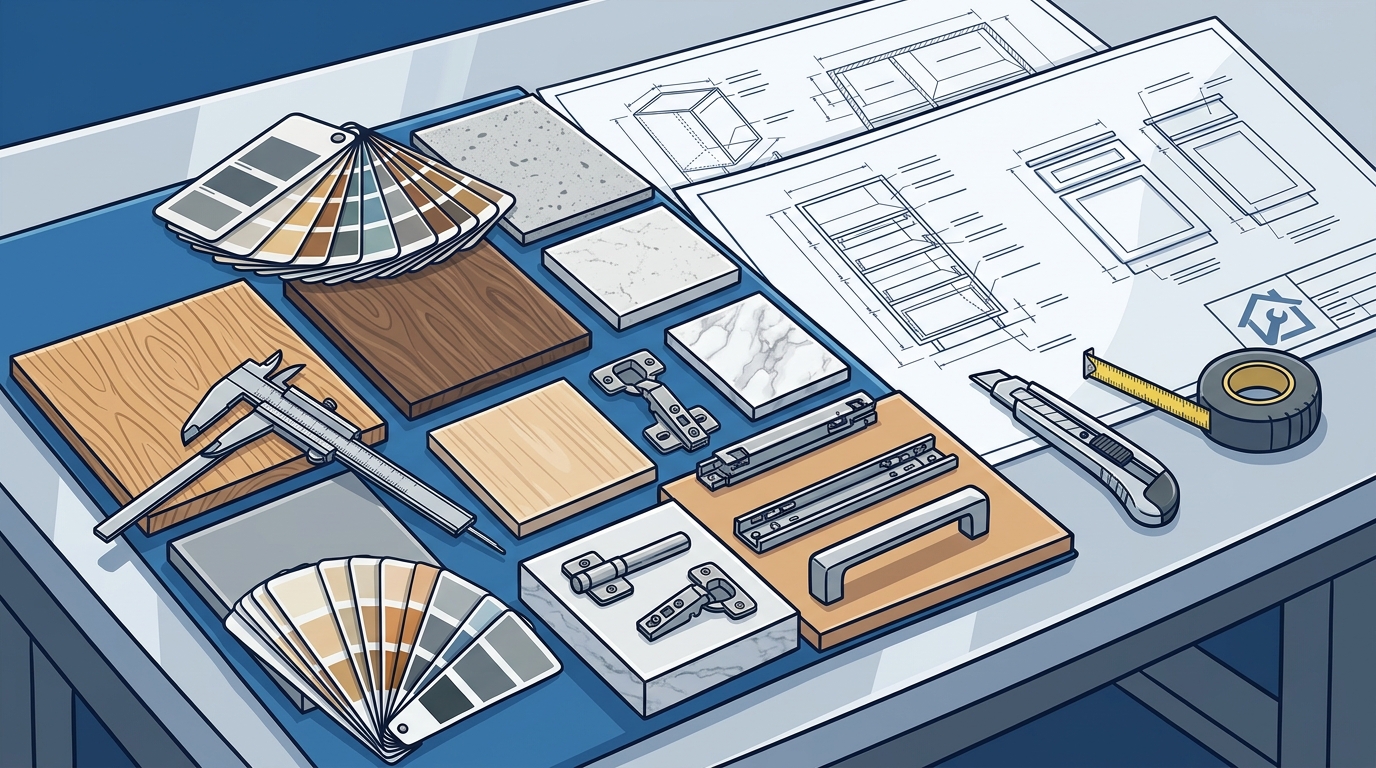
Hardwoods like oak, maple, and cherry are popular choices for their durability and classic appeal. Oak features a prominent grain pattern that works well with traditional and transitional styles. Maple offers a smoother, more subtle grain, making it ideal for contemporary designs. Cherry develops a rich, dark patina over time, adding depth and character to the space.
Exotic and Specialty Woods
For unique design statements, exotic woods like walnut or mahogany provide distinct color variations and grain patterns. These woods are often more expensive and may require specialized finishing techniques. However, they offer a level of exclusivity and visual interest that standard woods cannot match. This is a key consideration for luxury walk-in closets or feature walls where visual impact is paramount.
Evaluating Finishes and Surface Treatments
The finish protects the wood and defines the final look of your cabinets. The choice between stained, painted, or natural finishes depends on your maintenance tolerance and design style.
Stained Finishes
Stained finishes highlight the natural grain of the wood. They are available in a wide range of colors, from light natural tones to deep espresso shades. Stained finishes require periodic maintenance to prevent fading and wear, especially in high-sunlight areas. Proper sealing is essential to protect against moisture and heat damage.
Painted Finishes
Painted finishes offer a uniform color and a smooth, modern appearance. They are excellent for covering imperfections in the wood substrate and allow for greater color flexibility. High-quality paint finishes are durable and resistant to staining, making them a practical choice for busy kitchens. For more details on our painting capabilities, explore our bathroom remodeling services.
Natural and Oiled Finishes
Natural finishes, such as oil or wax, enhance the wood's natural beauty while allowing it to breathe. These finishes are eco-friendly and provide a tactile, organic feel. They require more frequent reapplication but offer a unique, lived-in aesthetic that many homeowners find appealing.
Choosing Hardware and Functional Components
Hardware is the functional heart of your cabinets. The quality of hinges, drawer slides, and handles directly impacts the usability and lifespan of your cabinetry.
Soft-Close Mechanisms
Soft-close hinges and drawer slides are essential for preventing slamming and reducing wear on the cabinet structure. They provide a smooth, quiet operation that enhances the user experience. Investing in high-quality soft-close mechanisms is a small cost that yields significant long-term benefits in durability and comfort.
Handle and Knob Selection
The choice of handles and knobs affects both the aesthetics and ergonomics of your cabinets. Materials range from metal and wood to glass and ceramic. The style should complement the overall design theme, whether modern, traditional, or transitional. Proper placement and sizing are crucial for ease of use and visual balance.
Material Comparison Matrix
The following table summarizes the key characteristics of common cabinet materials to help you compare options effectively.
| Material Type | Durability | Maintenance Level | Cost Range | Best For |
|---|---|---|---|---|
| Solid Oak | High | Medium | $$-$$$ | Traditional styles, high-traffic areas |
| Solid Maple | High | Low | $$-$$$ | Contemporary styles, painted finishes |
| Cherry | Medium-High | Medium | $$$-$$$$ | Rich, warm aesthetics, aging patina |
| Plywood Box | High | Low | $$ | Structural stability, moisture resistance |
| MDF | Medium | Low | $-$$ | Smooth painted surfaces, budget-friendly |
Key Takeaways
- Solid wood offers superior longevity and can be refinished multiple times, making it a worthwhile investment for long-term value.
- Plywood is the preferred choice for cabinet boxes due to its strength and resistance to warping compared to particle board.
- Soft-close hardware is essential for preventing damage and ensuring smooth, quiet operation in high-use areas.
- Finish selection impacts maintenance, with stained finishes requiring more care than high-quality painted finishes.
- Wood species affects aesthetics, with oak, maple, and cherry offering distinct grain patterns and color profiles.
- Custom sizing ensures a perfect fit, maximizing storage space and eliminating gaps that can collect dust and debris.
- Professional installation is critical to ensure structural integrity and proper alignment of doors and drawers.
Frequently Asked Questions
What is the most durable material for kitchen cabinets?
Solid hardwoods like maple and oak are generally considered the most durable due to their resistance to dents and scratches. Plywood boxes also offer excellent structural durability.
How do I choose between stained and painted finishes?
Choose stained finishes to highlight natural wood grain and choose painted finishes for a uniform, modern look. Consider your maintenance tolerance and existing decor when making this decision.
Is MDF a good material for cabinet doors?
MDF is an excellent choice for painted cabinet doors because it provides a smooth, grain-free surface. However, it is not suitable for high-moisture areas unless properly sealed.
What hardware should I use for heavy drawers?
Heavy-duty full-extension drawer slides with soft-close mechanisms are recommended for heavy drawers to ensure smooth operation and prevent sagging over time.
Can I refinish my existing cabinets instead of replacing them?
Yes, solid wood cabinets can often be refinished or repainted to update their appearance. Engineered wood cabinets may have limitations depending on the surface material.
How long does custom cabinet construction take?
Custom cabinet construction typically takes several weeks to months, depending on the complexity of the design, material availability, and installation schedule.
What is the difference between solid wood and veneer?
Solid wood is made from a single piece of lumber, while veneer is a thin layer of real wood bonded to a substrate. Solid wood is more durable and can be refinished, while veneer offers the look of wood at a lower cost.
Start Your Custom Project
Selecting the right materials for your custom cabinets is a detailed process that requires careful consideration of your needs, preferences, and budget. By following these steps, you can ensure that your investment delivers both beauty and functionality for years to come. Contact Remodel Depot today to schedule a free consultation and discuss your custom cabinetry project. Our team of licensed professionals is ready to bring your vision to life with precision craftsmanship and quality materials.